Cost of Deviated Septum Surgery in Egypt
Home Patient Guide Cost of Deviated Septum Surgery in Egypt
Cost of Deviated Septum Surgery in Egypt
During septoplasty, the deviated septum is straightened by reshaping or removing the excess cartilage and bone. The cost of septoplasty in Egypt varies depending on the patient's condition, the surgeon's expertise, and the surgical techniques used.
Share this page:
 Whatsup
Septoplasty has become one of the most commonly performed nasal procedures because it is relatively straightforward, has a high success rate, affordable for most budgets, and helps many patients breathe more comfortably. People usually undergo septoplasty for one of two reasons:
1. To improve the appearance of the nose.
2. To restore normal airflow by correcting a deviated nasal septum that interferes with breathing.
What Is the Nasal Septum?
The nasal septum is a wall made of cartilage and bone that divides the nasal cavity into two separate air passages by separating the two nostrils. This septum is rigid yet flexible and has a rich blood supply and is typically located in the center of the nose, allowing equal airflow through both nostrils.
What Is a Deviated Septum?
The nasal septum consists of two parts: a bony section at the back and a cartilaginous section at the front.
Its primary function is to keep the nose straight and allow air to pass evenly through both nasal passages. When the septum becomes deviated, it may affect the external appearance of the nose or cause breathing difficulties. The degree of deviation varies from one person to another. Some people notice a visible deformity, while others experience mainly functional symptoms.
Septoplasty is the surgical procedure used to straighten the deviated septum by reshaping or removing portions of cartilage or enlarged bone, restoring the septum to a more central position.
What Causes a Deviated Septum?
A centrally positioned septum allows air to flow evenly through both sides of the nose. A deviated septum occurs when the septum shifts toward one side, partially blocking one or both nasal passages.
Around 80% of people have some degree of septal deviation, although many experience no symptoms. Others may develop breathing problems and additional complications.
Common causes include:
• A fractured nose caused by trauma or injury.
• Contact sports that involve contact or violence, such as wrestling.
• Motor vehicle accidents or facial injuries.
• Birth-related trauma or certain connective tissue disorders.
• Natural facial growth during adolescence, when the facial features and nose, including the nasal septum, develop and may lean to one side. This is one of the most common causes of a deviated septum.
Symptoms of a Deviated Nasal Septum
Symptoms vary depending on the severity of the deviation and may include:
• Difficulty breathing through one or both nostrils.
• Headaches or facial pain related to sinus congestion.
• Nasal congestion.
• Noisy breathing or whistling sounds.
• Frequent nosebleeds.
• Chronic sinusitis.
• Snoring.
• Sleep apnea.
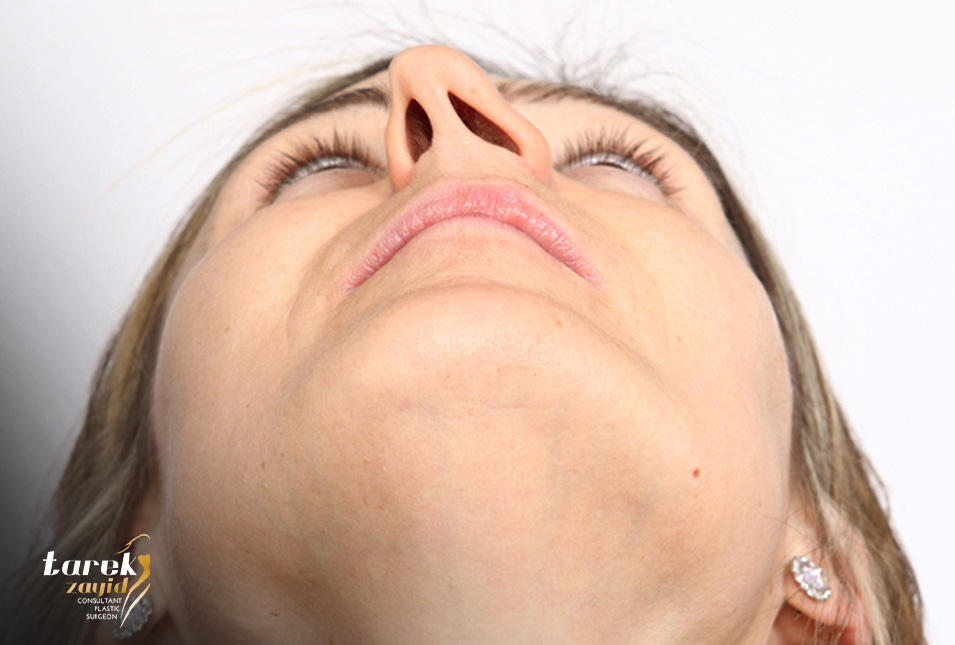
• One nostril appearing larger than the other when viewed from below.
• Reduced sense of smell.
In more severe cases, complications may include:
• Dry mouth caused by mouth breathing, leading to gum disorders and tooth decay.
• Persistent sinus blockage and recurrent sinus infections and chronic inflammation.
• Chronic nasal congestion accompanied by nosebleeds due to dryness of the septal lining.
Treatment Options for a Deviated Septum
Treatment depends on the severity of the deviated septum. People with a mild deviation usually do not require treatment, but mild symptoms can be managed with medication. However, in cases of severe septal deviation with complications, surgical intervention is likely the most appropriate treatment. Treatment options for a deviated septum include:
1. Drug therapy:
Drug therapy is suitable for individuals with mild deviation accompanied by occasional symptoms. Drug therapy includes:
• Nasal decongestants. These medications should be used carefully as prescribed by a doctor, as overuse can lead to nasal congestion or rhinitis medicamentosa (occurring due to chronic use of nasal decongestants, causing inflammation of the nasal passages).
• Steroid nasal sprays.
• Antihistamines.
These medications relieve symptoms but do not correct the underlying deviation.
2. Surgical treatment:
Surgical treatment is suitable for people with severe nasal septum deviation accompanied by severe symptoms and complications, most notably difficulty breathing.
Septoplasty
Septoplasty is the most effective treatment for a deviated septum. During the procedure, the surgeon removes, reshapes, or repositions portions of the septum to improve airflow.
Although the main goal of septoplasty is to restore normal nasal function, correcting the septum may also improve the external appearance of the nose. In some patients, septoplasty is combined with cosmetic rhinoplasty to improve both breathing and facial harmony.
How Is Septoplasty Performed?
The procedure generally involves the following steps:
1. The patient receives either local or general anesthesia.
2. The surgeon makes a small incision inside the nose to access the septum.
3. Dr. Tarek Zayid reshapes or repositions the cartilage and bone to correct the deviation.
4. Dr. Tarek Zayid closes the incision carefully, applies nasal dressings if necessary, and provides postoperative instructions.
Depending on the patient's condition, septoplasty may be performed using different techniques, including:
• Endoscopic septoplasty, which provides a magnified view of the nasal structures.
• Laser-assisted septal procedures in selected cases.
• In limited cosmetic situations, fillers may be used to camouflage minor external irregularities, although they do not correct a true deviated septum.
Cost of Septoplasty in Egypt
Septoplasty in Egypt is considered one of the commonly performed nasal procedures, and its cost is generally more affordable compared with many other nasal surgeries. The cost of septoplasty in Egypt varies from one patient to another and depends on several factors, including:
1. The surgeon's experience and reputation: Surgeons with extensive experience and high success rates may charge higher fees, but they also offer greater expertise and potentially lower complication rates.
2. The hospital or surgical facility: The quality of the operating room, available equipment, and modern technologies—such as endoscopic techniques—may influence the overall cost.
The price of septoplasty surgery in Egypt varies from surgeon to surgeon and depending on the patient's condition. For this reason, the final cost of septoplasty is determined after evaluating the patient's condition and surgical requirements.
What Are the Advantages of Septoplasty?
Septoplasty offers several important benefits, including:
1. Improved nasal breathing.
2. Better sleep quality by reducing sleep-disordered breathing.
3. Reduced snoring.
4. Fewer recurrent sinus infections.
5. When combined with rhinoplasty, the shape and function of the nose improve significantly.
What Are the Risks of Septoplasty?
Septoplasty is generally considered a safe procedure with a high success rate. However, like any surgery, it carries some potential risks, including:
• Bleeding or infection.
• Unwanted changes in the shape of the nose.
• Temporary numbness affecting the nose or upper teeth.
• Delayed wound healing.
• Septal hematoma.
• Septal perforation.
• Temporary reduction or loss of the sense of smell, which usually improves within several months.
Thanks to Dr. Tarek Zayid's extensive experience, septoplasty has a high success rate and provides long-term relief for most patients.
Best Doctor for Septoplasty
Many patients search for the best surgeon for septoplasty in Egypt. Dr. Tarek Zayid is recognized as one of the leading rhinoplasty surgeons in Egypt and across the Arab world, with extensive experience in both functional and cosmetic nasal surgery.
Patients also inquire about the price of deviated septum surgery in Egypt with Dr. Tarek Zayid. The cost of septoplasty depends on several factors, including:
• The patient's individual condition and the complexity of the procedure.
• Whether septoplasty is combined with cosmetic rhinoplasty.
• The need for hospital stay after surgery.
• The complexity of the procedure and the surgical techniques required.
Dr. Tarek Zayid personally performs every stage of the procedure, from the initial incision through placement of the nasal splint, helping achieve consistently high success rates and excellent functional and cosmetic outcomes.
Now you can undergo septoplasty with Dr. Tarek Zayid, Consultant of Plastic Surgery. You can also explore our patient success stories to learn more about the results achieved with different nasal procedures.