Tips After Septoplasty
Septoplasty treats a deviated nasal septum. Recovery requires rest and following the doctor’s instructions. Signs of a successful procedure include improved breathing and reduced symptoms, while unsatisfactory results may occur because of recurrent deviation or neglecting postoperative care.
Share this page:
 Whatsup
Septoplasty is a surgical procedure that aims to correct the septum between the two nostrils to improve airflow and reduce the health problems associated with its deviation. The deviation may result from an injury or may be congenital, causing difficulty breathing, snoring, or recurrent sinus infections. To ensure the success of the procedure and support a faster recovery, patients should follow several important instructions and tips.
What Is the Function of the Nasal Septum?
The nasal septum is the wall that divides the nose into two almost equal sides. Its main functions include:
• Separating the nasal passages: The septum separates the two sides of the nose and helps the nose warm and humidify the air we breathe.
• Supporting the nose: The septum helps maintain the shape and structure of the nose.
Causes of a Deviated Nasal Septum
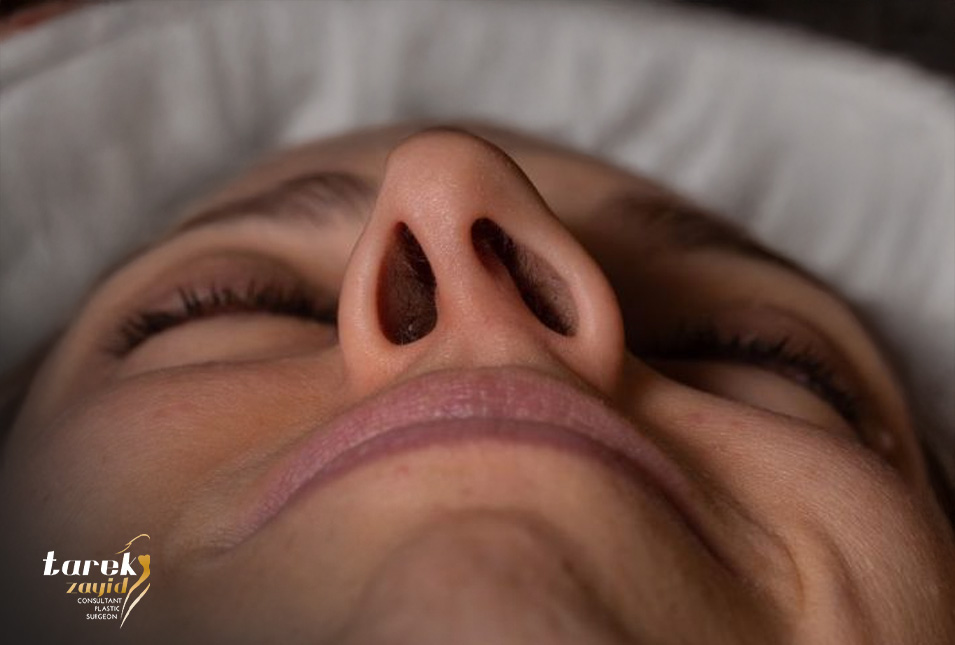
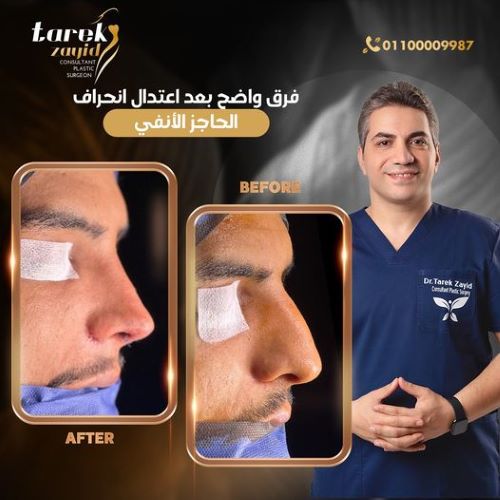
A deviated septum occurs when the wall of cartilage and bone separating the two nostrils is not straight. This may narrow one or both nasal passages.
Possible causes include:
• Nasal injuries: Such as direct blows to the nose or falls.
• Congenital causes: Some people are born with a deviated septum.
• Unbalanced growth: The shape of the septum may change as the person grows.
• Abnormal development before birth: Genetic or environmental factors may affect the development of the septum during pregnancy.
• Tumors: In rare cases, a nasal tumor may affect the position of the septum.
What Are the Symptoms of a Deviated Septum?
Symptoms may include:
• Difficulty breathing.
• Nasal blockage.
• Snoring.
• Recurrent sinus infections.
• Dry mouth and throat.
• Headaches.
• Bad breath.
• Frequent nosebleeds.
Not everyone with a deviated septum experiences all these symptoms, and their severity may vary from one person to another.
Septoplasty
Septoplasty is usually performed under general anesthesia. During the procedure, the surgeon removes or reshapes the deviated part of the septum to improve airflow through the nose.
The procedure usually takes between 30 and 90 minutes.
Signs of a Successful Septoplasty
Several signs may indicate that the operation has been successful, including:
• Improved breathing: The patient can breathe more easily through the nose.
• Reduced snoring: Snoring may become less noticeable or disappear.
• Fewer sinus infections: The number of recurrent sinus infections may decrease.
Reasons Septoplasty May Not Achieve the Desired Result
In some cases, the procedure may not achieve the expected result for several reasons, such as:
• The septum becomes deviated again: A slight deviation may sometimes return after surgery.
• Other nasal problems: Conditions such as nasal polyps may affect the outcome of the surgery.
• Not following the doctor’s instructions: Ignoring postoperative instructions may lead to complications.
• Surgical error: In rare cases, a surgical error may affect the outcome.
Possible long-term signs that the procedure has not achieved the desired result include:
• Persistent or worsening breathing difficulties.
• Continued recurrent sinus infections after surgery.
• Persistent or worsening snoring.
• No improvement in headaches.
• Frequent nosebleeds after surgery.
• No improvement in the sense of smell.
• Nasal deformities.
If any of these symptoms continue after septoplasty, the patient should consult the doctor. The doctor will examine the nose, assess the condition, identify the cause, and recommend the appropriate treatment.
What Happens After Septoplasty?
After surgery, the patient may experience some temporary symptoms, such as:
• Nasal swelling: Swelling during the first few days is normal.
• Nasal congestion: The nose may feel blocked because of swelling or nasal packing.
• Mild pain: Some pain may be felt, which is controlled by painkillers.
Tips for a Faster Recovery After Septoplasty
• Avoid strenuous physical activity: Do not lift heavy objects or take part in activities that may cause an injury to the nose.
• Keep the head elevated while sleeping: This may help reduce swelling and fluid buildup.
• Follow the doctor’s instructions: Take prescribed medications and use saline solution as directed.
How to Protect the Nose
There is no guaranteed way to prevent a deviated septum completely. Many cases are congenital or related to genetic factors.
However, some precautions may reduce the risk of a deviated septum caused by injury:
• Wear protection during sports: Use suitable protective equipment during sports that may cause facial injuries, such as football, rugby, and wrestling.
• Wear a seat belt: A seat belt may reduce the risk of facial injury during a car accident.
• Be careful at home: Take care to avoid falls or collisions with furniture.
To protect the nose after surgery and avoid injuries that may affect the result:
• Avoid violent sports: Stay away from sports such as football and boxing for the period recommended by the doctor.
• Wear a nose guard: Use suitable protection if you have to participate in activities that may put your nose at risk.
• Avoid smoking: Smoking may slow down the healing process.
Conclusion
Septoplasty can help improve quality of life by reducing breathing difficulties and snoring. However, the success of the procedure depends greatly on following the doctor’s instructions after surgery.
By following medical advice and protecting the nose from injury, patients can support proper healing and achieve better results.