Thick-Skinned Rhinoplasty Before and After
Home Patient Guide Thick-Skinned Rhinoplasty Before and After
Thick-Skinned Rhinoplasty Before and After
A thick-skinned nose is characterized by thick skin and relatively weak cartilage, which can make it appear wider and less defined. Rhinoplasty may involve carefully reducing excess soft tissue, reshaping the cartilage, and improving the definition of the nasal tip.
Share this page:

 Whatsup
A thick-skinned nose is a common type of nose that may require rhinoplasty to improve its appearance or function. It usually has thick skin and enlarged pores, which can make it look larger.
In this article, we discuss everything you need to know about thick-skinned rhinoplasty before and after surgery, including the appearance and causes of a broad, thick-skinned nose, available procedures, expected results, and how to choose the right surgeon.
What Does a Thick-Skinned Nose Look Like?
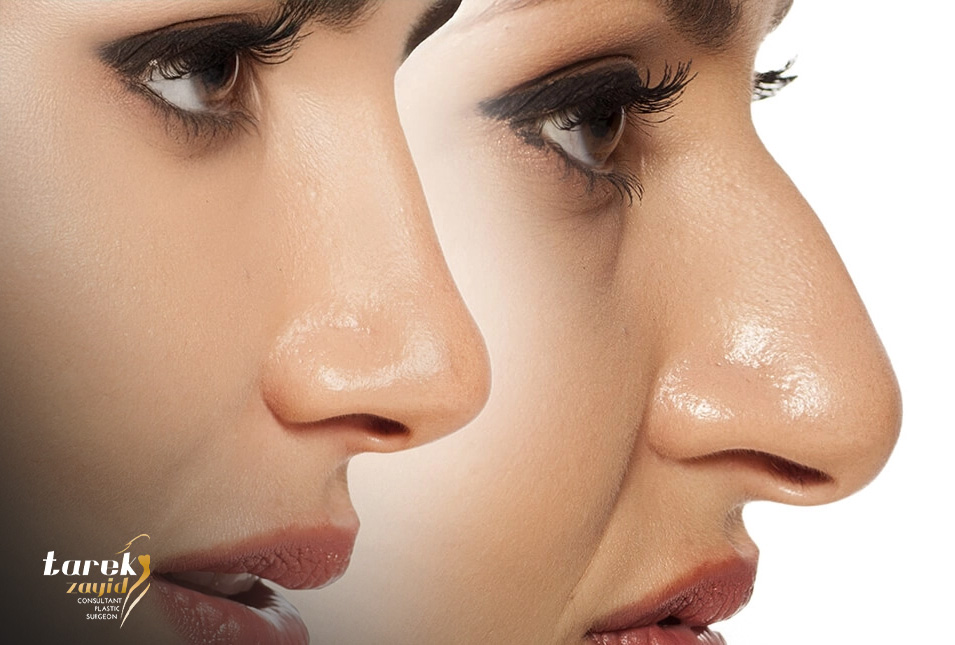
A thick-skinned nose usually has thick, oily skin and enlarged pores. The lower part of the nose, including the nasal tip, is often broad and rounded.
This type of nose may also have relatively weak or poorly defined cartilage, causing the tip to appear wide, rounded, or less defined.
What Causes a Wide, Thick-Skinned Nose?
• Genetics: Genetics plays an important role in determining the shape, size, and skin thickness of the nose. A person may be more likely to have a wide, thick-skinned nose if it is common among family members.
• Fat accumulation: Fat can accumulate in the nose area with age or due to weight gain.
• Increased skin thickness: The skin of the nose can be naturally thick or it can become thicker over time.
• Certain medical or dermatological conditions: Some medical conditions can lead to increased thickness of the nasal skin.
How Can a Broad, Thick-Skinned Nose Be Improved?
Surgical rhinoplasty is generally the most effective option for creating long-lasting changes to the shape and structure of a broad, thick-skinned nose.
The procedure aims to reduce excessive width, improve nasal definition, and create better balance between the nose and the other facial features.
Thick-skinned rhinoplasty may include:
• Removing or reshaping cartilage in the nasal tip.
• Carefully reducing excess soft tissue in selected cases.
• Using cartilage grafts to strengthen the nasal structure and provide additional support.
Wide Nose Rhinoplasty Before and After
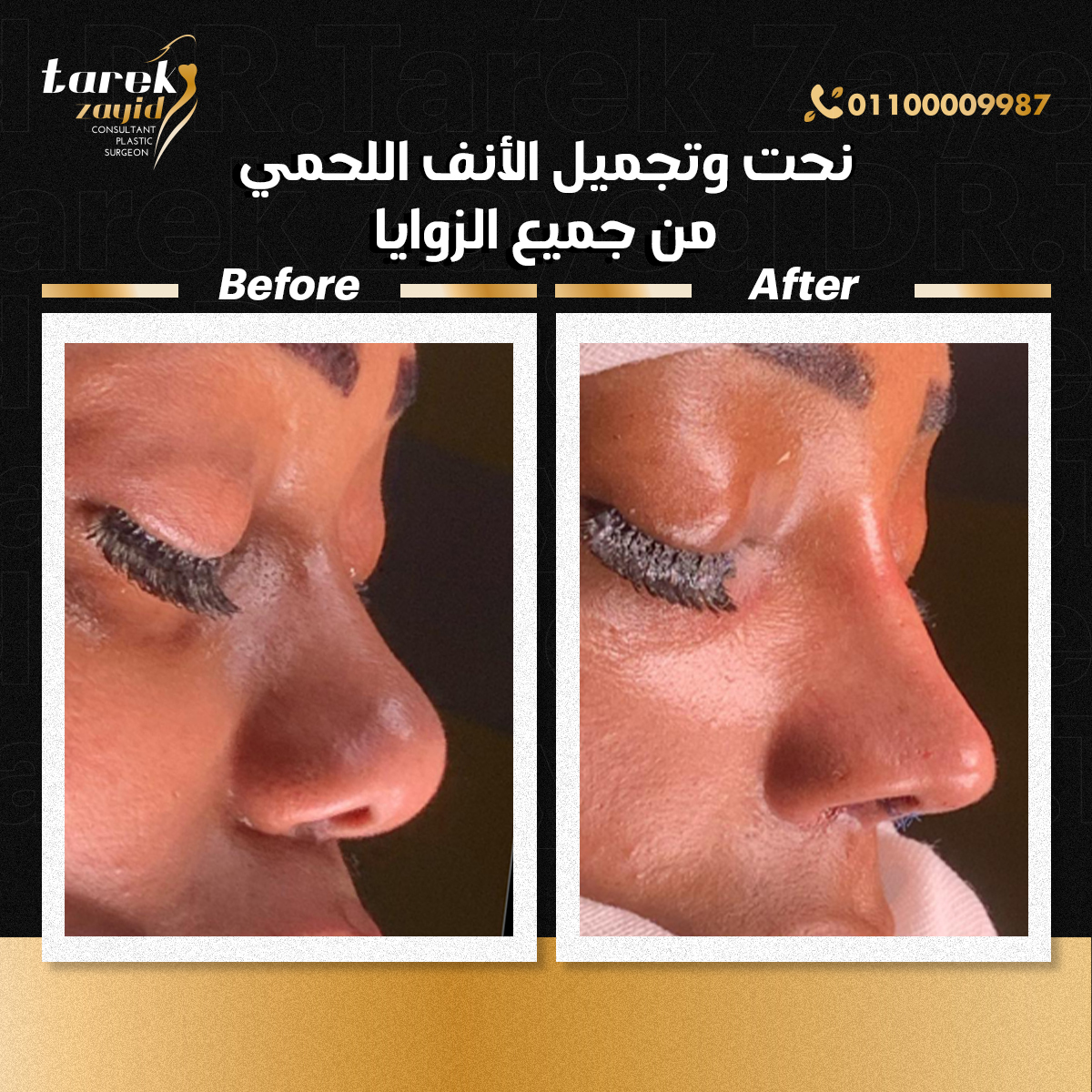
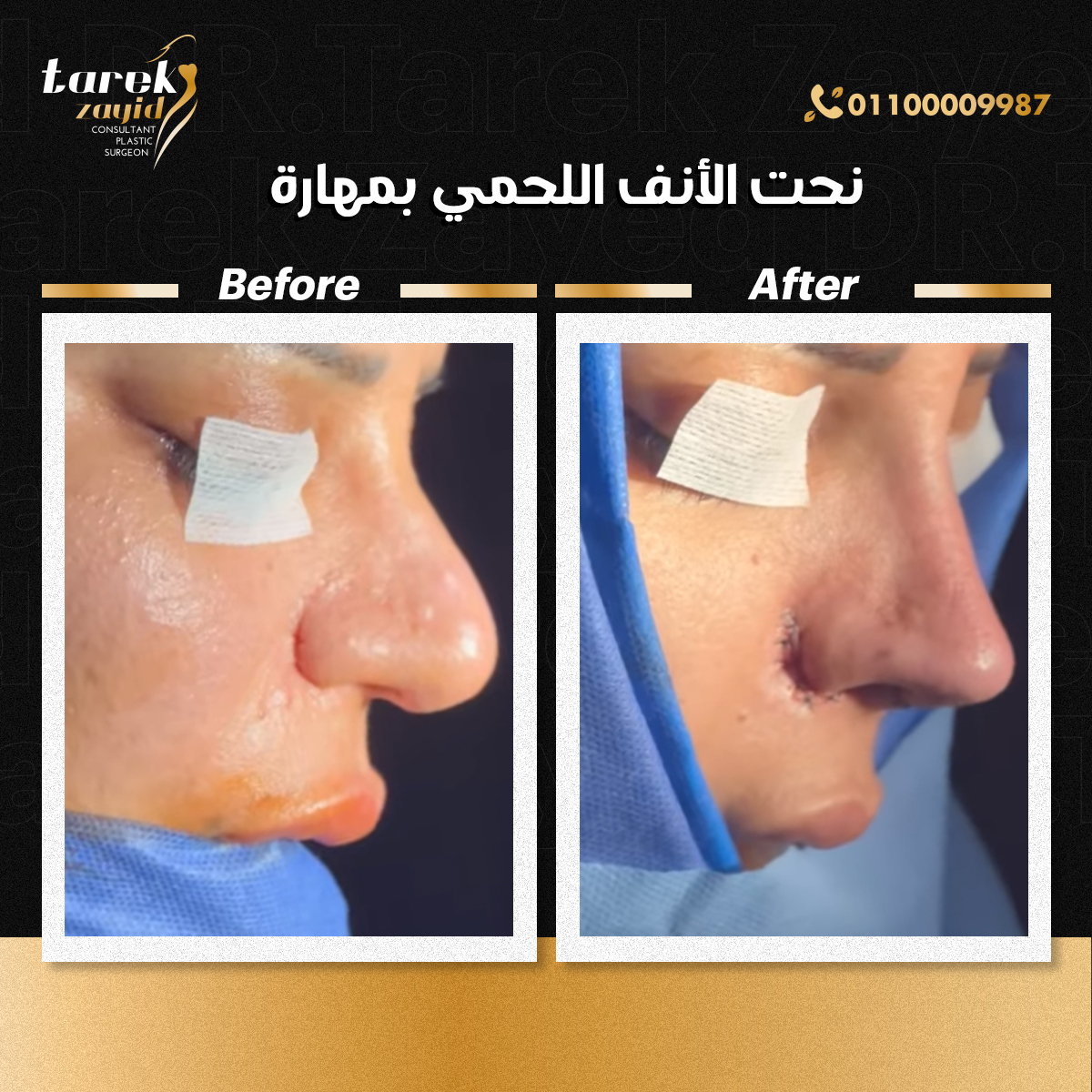
Before-and-after photos of wide nose rhinoplasty show clear changes following the procedure. Common improvements include:
• Reducing the width of the nose: The nose is made smaller to appear more balanced with the other facial features.
• Improving the shape of the nasal tip: The tip can be defined to appear less rounded and less prominent.
• Defining the nasal bridge: The nasal bridge can be improved to appear straighter and more balanced.
What Are the Expected Side Effects After Rhinoplasty?
• Swelling: It is normal for the nose to be swollen after surgery. The swelling usually improves gradually.
• Bruising: Bruising may appear around the nose after surgery.
• Numbness: The patient may experience numbness or tingling in the nasal tip or the surrounding area.
• Changes in the sense of smell: The sense of smell may temporarily change after surgery.
When Does a Thick-Skinned Nose Reach Its Final Shape After Rhinoplasty?
A thick-skinned nose usually takes longer to reach its final shape after rhinoplasty compared with other nose types.
The final result may take between 12 and 18 months. During this period, the swelling gradually decreases, and the skin contracts and adapts to the new nasal structure.
Best Surgeon for Thick-Skinned Rhinoplasty
Dr. Tarek Zayid is considered one of the best surgeons for thick-skinned rhinoplasty in Egypt. He has been described as the maestro of rhinoplasty in Egypt and is trusted by many patients seeking thick-skinned rhinoplasty and other types of nasal surgery.
This is due to several reasons:
• Extensive experience: Dr. Tarek Zayid has many years of experience in rhinoplasty and has performed many successful procedures.
• Skill and professionalism: He is highly skilled and professional in performing rhinoplasty procedures.
• Precision and natural-looking results: Dr. Tarek Zayid focuses on achieving balance between the nose and the other facial features to produce a natural-looking result.
• Safety: He performs rhinoplasty procedures according to high safety standards to reduce the risk of complications and protect both the appearance and function of the nose.
• Modern techniques: Dr. Tarek Zayid uses modern techniques and the latest developments in rhinoplasty.
Conclusion
Thick-skinned rhinoplasty can be challenging, but it can provide noticeable results when performed correctly.
It is important to choose an experienced thick-skinned rhinoplasty surgeon, such as Dr. Tarek Zayid, and follow the medical instructions to achieve the best possible results.
With patience and commitment during the recovery period, patients can enjoy a new nose shape that improves their appearance and self-confidence.
Public FAQs
Who Is the Best Rhinoplasty Surgeon in Egypt?
Dr. Tarek Zayid is considered one of the best rhinoplasty surgeons in Egypt for several reasons:
• Extensive experience in rhinoplasty: Dr. Tarek Zayid has many years of experience in rhinoplasty and has performed many successful procedures with impressive results.
• Excellent reputation: He is one of the well-known rhinoplasty surgeons in Egypt and the Arab region and has built a strong reputation through his experience in complex cosmetic procedures.
• Modern cosmetic surgery techniques: Dr. Tarek Zayid uses modern rhinoplasty techniques, including precise surgical methods that help reduce complications and achieve natural and long-lasting results.
• Attention to detail before and after rhinoplasty: Dr. Tarek Zayid pays attention to every detail of the procedure and focuses on achieving balance between the nose and the other facial features.
• Good communication with patients: He communicates clearly with patients and understands their needs, helping them feel comfortable and reassured throughout the treatment period.
What Are the Types of Rhinoplasty?
1. Surgical Rhinoplasty
• Surgical rhinoplasty is the most common procedure used to change the size and shape of the nose.
• It involves modifying the nasal bones and cartilage to achieve the desired appearance.
• The procedure may be open or closed, depending on the patient’s condition and the surgeon’s recommendation.
2. Non-Surgical Rhinoplasty
• Non-surgical rhinoplasty is a modern alternative to surgery.
• It uses injectable materials, such as dermal fillers and Botox, to change the shape of the nose and correct minor imperfections.
• This procedure is less invasive and does not require a long recovery period, but it may not be suitable for all cases.
3. Septoplasty
• Septoplasty aims to correct a deviated nasal septum, which is the wall separating the two nostrils.
• Correcting the deviated nasal septum can improve breathing and reduce sinus-related problems.
• This procedure may be performed together with rhinoplasty to improve both the appearance and function of the nose.
4. Revision Rhinoplasty
• Revision rhinoplasty is performed to correct problems or deformities caused by a previous rhinoplasty procedure or an injury.
• It may be more complicated and require additional surgical experience.
5. Other Rhinoplasty Procedures
Other rhinoplasty procedures may be used to treat specific concerns, including:
• Nose reduction: Reducing the size of a large nose to make it more proportionate to the face.
• Nasal tip reshaping: Changing the shape of the nasal tip.
• Thread rhinoplasty: A minimally invasive, non-surgical procedure that uses threads to lift and adjust the shape of the nose.