The Nostrils After Rhinoplasty
Rhinoplasty aims to enhance nasal aesthetics and correct structural defects. Following surgery, the nostrils undergo temporary changes caused by swelling and internal tissue healing, which refine gradually over a full year. Adhering to your surgeon's instructions is essential to prevent complications and achieve stable, lasting results.
Share this page:

 Whatsup
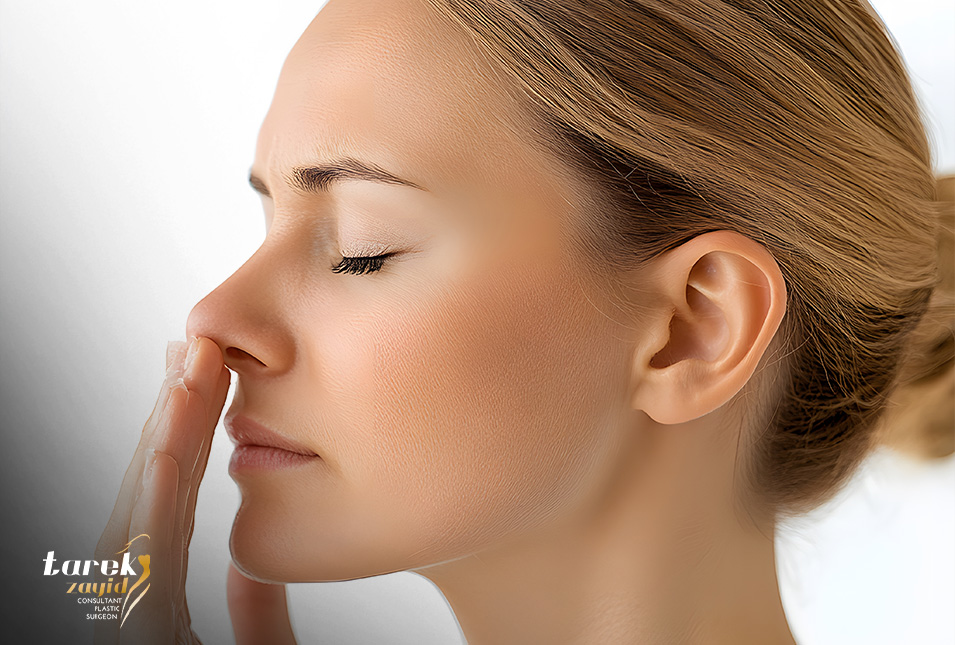
Rhinoplasty is among the most sought-after cosmetic procedures for both men and women, designed to refine the external contour of the nose and address both aesthetic and functional concerns, such as reducing nostril flare or correcting a deviated septum. However, during the early recovery period, the nostrils often appear temporarily asymmetric or uneven due to c swelling and tissue healing, which frequently raises patient concerns.
Below is an overview of the stages of nasal healing after rhinoplasty, key facts regarding post-surgical nostril changes, and how to manage these variations to ensure optimal long-term results.
Stages of Nasal Changes After Rhinoplasty
After rhinoplasty, the nose goes through several stages of change before reaching its final shape. The four main stages after surgery are as follows:
Stage 1: The First Week (Initial Swelling Stage)
• Immediately following surgery, significant swelling is present, which may cause the nostrils to appear uneven, flared, or larger than usual.
• A nasal splint is placed to help maintain the new shape and reduce swelling.
• The patient may experience difficulty breathing due to internal swelling of the nasal passages.
• Significant swelling is completely normal at this stage, and the final result cannot yet be assessed.
Stage 2: The Second Week to the First Month (Initial Subsidence of Swelling)
• Swelling gradually improves, making the shape of the nose more defined.
• Swelling may still be present around the nostrils, but it is usually less noticeable compared with the first few days.
• The nasal splint is usually removed after 7 to 10 days, allowing an initial view of the improvement in the nasal shape.
• Some bruising may appear under the eyes, but it gradually disappears over the subsequent weeks.
• Surgeons recommend avoiding touching, pressing, or manipulating the nose to safeguard the delicate healing tissues.
Stage 3: The Second to Sixth Month (Gradual Refinement and Improved Symmetry)
• Swelling continues to resolve, and the nostrils begin to look significantly more natural and balanced.
• In some cases, the patient may feel that the nostrils are uneven, but this is often due to internal swelling.
• Surgical scars begin to fade.
• During this stage, direct exposure to sunlight should be avoided, and the nose should be protected from injury.
Stage 4: Six Months to One Year (Final Stabilization of Results)
• The nose reaches its final shape within 6 months to one year.
• The shape and proportions of the nostrils align with the surgical goals established prior to the procedure.
• If there is any slight asymmetry, it is usually not noticeable. However, a clinical follow-up can provide an accurate evaluation.
• The skin and tissues continue to adapt to the new shape, making the nose appear more natural.
Key Tips for Recovery After Rhinoplasty
After rhinoplasty, adherence to postoperative care guidelines promote proper healing and achieve optimal results. Here are some of the most important recovery tips:
1. Get Adequate Rest and Avoid Strenuous Physical Activity:
• Avoid workouts, heavy lifting, and vigorous activities for 4 to 6 weeks post-surgery.
• Vigorous exercise may affect the healing of the cartilage and cause unwanted changes in the shape of the nose.
2. Maintain Proper Sleeping Posture:
• Sleep strictly on your back with your head elevated on two pillows to minimize swelling and accelerate healing.
• Avoid sleeping on your stomach or sides to eliminate accidental pressure on the nose.
3. Care for the Nostrils After Surgery:
• Clean the nostril gently using sterile saline rinses to prevent crusting and dried secretions from accumulating.
• Do not forcefully blow your nose during the first few weeks to avoid placing strain on internal sutures.
4. Avoid Touching or Pressing on the Nose:
• During the first few weeks, the nose is still healing. Therefore, avoid touching or applying pressure to it to prevent changes to the final shape.
5. Maintain Swelling with Cold Compresses:
• Apply cold compresses to the forehead and around the eyes during the first 48 hours can help reduce bruising and swelling.
• Never apply cold compresses directly to the nose.
6. Follow a Healthy Diet:
• Consume foods rich in vitamins A and C to support wound healing.
• Minimize sodium intake and spicy foods, as excess salt promotes fluid retention and aggravates swelling.
7. Avoid Smoking and Alcohol:
• Smoking and alcohol can slow the healing process and increase the risk of complications after surgery.
8. Attend All Scheduled Medical Follow-Ups:
• Attend scheduled follow-up appointments to ensure that recovery is progressing properly.
• If you notice any unusual symptoms, such as heavy bleeding, signs of infection, or severe pain, contact your doctor immediately.
Nostrils After Rhinoplasty: Expected Changes
After surgery, patients may notice that the nostrils appear uneven or different from what they expected. This is usually due to swelling and incomplete tissue healing. Over time, the nostrils gradually change until they reach their final desired shape.
Why Do the Nostrils Look Uneven After Surgery?
There are several reasons why the nostrils may initially appear asymmetrical after rhinoplasty, including:
• Initial swelling: After surgery, significant swelling may make one nostril appear larger than the other, but this gradually improves.
• Internal tissue healing: During recovery, the tissues are still healing, which may cause minor changes in the shape until the results stabilize.
• Muscle and Soft-Tissue Adaptation: Some of the muscles surrounding the nose need time to adapt to the new shape, which may cause temporary asymmetry.
• Surgical scarring: In some cases, internal scars may affect the shape of the nostrils, but they generally improve over time with proper wound care.
When Do Nostrils Become Symmetrical?
• At 4 to 6 Weeks: Acute swelling subsides noticeably, and nostril symmetry shows significant visible improvement.
• At 3 to 6 Months: The nasal base reaches intermediate stabilization, revealing a clearer picture of the final contour.
• At 1 Full Year: Complete tissue healing occurs, internal scarring softens entirely, and permanent nostril symmetry is established.
What Should I Do If the Nostrils Remain Asymmetrical After One Year?
In most cases, the nostrils become naturally more symmetrical without the need for any additional correction.
In some rare cases, if noticeable asymmetry remains after one year, the patient can consult the doctor about the possibility of minor cosmetic adjustments or corrective procedures.
In Conclusion
The nostrils undergo several stages of healing following rhinoplasty. Initial swelling and temporary asymmetry are common during the initial recovery period, but as the tissues heal and the results stabilize, the nostrils gradually achieve a balanced, natural contour that complements your overall facial harmony. Patience and adherence to the doctor’s instructions are essential for achieving the best possible results.