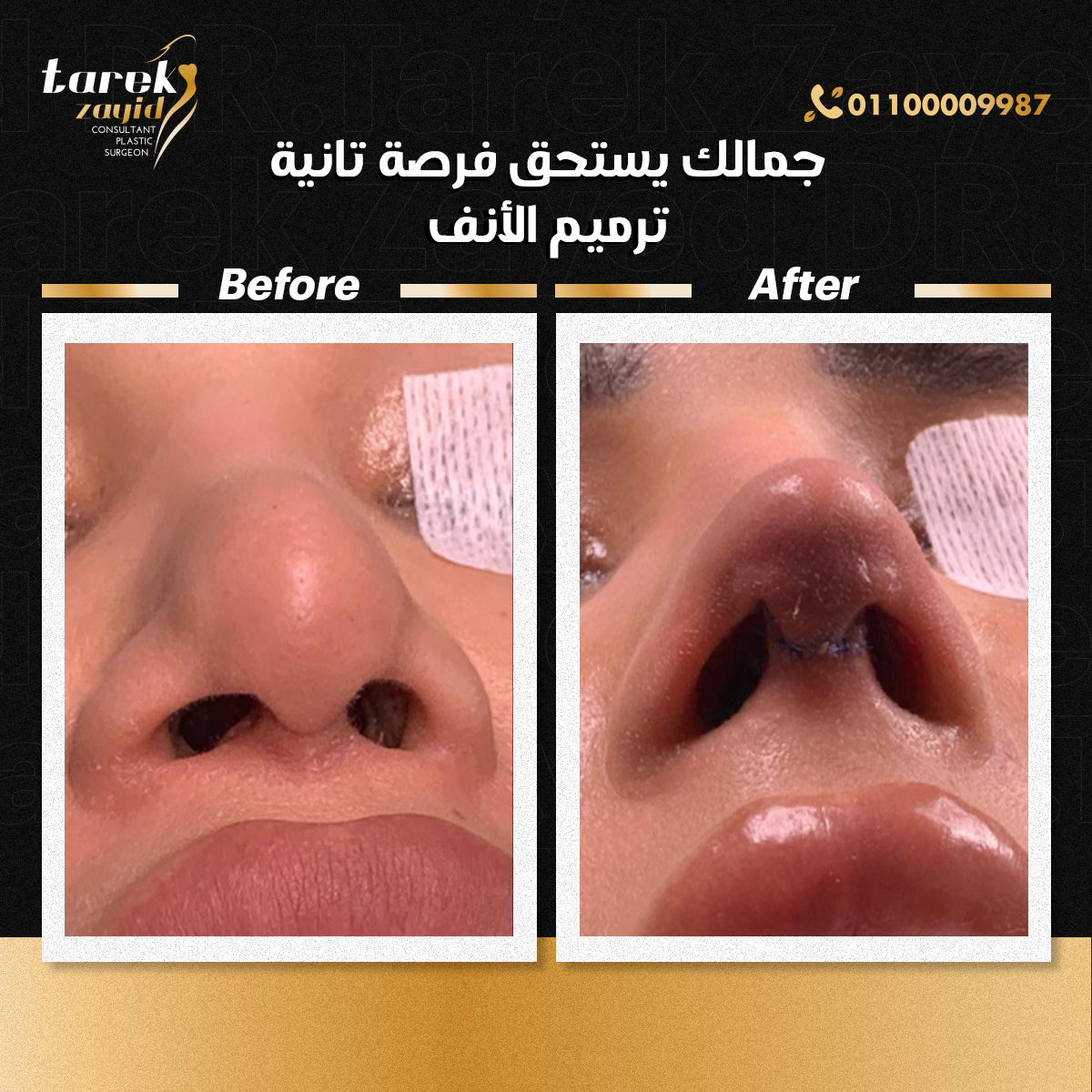
The Ideal Candidate for Rhinoplasty
Rhinoplasty is generally suitable for individuals who have completed facial growth, are in good overall health, and do not suffer from serious medical conditions. The procedure may be performed for cosmetic reasons or to improve breathing function.
Share this page:

 Whatsup
"Who is the ideal candidate for rhinoplasty?" is one of the most common questions asked by people considering nose surgery. Many wonder whether rhinoplasty is suitable for their condition and what kind of results they can expect.
In this article, you will find answers to the most common questions about rhinoplasty and learn more about who may benefit from the procedure.
First: Why Do People Choose Rhinoplasty?
Today, rhinoplasty is one of the most popular cosmetic procedures among both women and men throughout the Arab world and worldwide.
Some of the common reasons for undergoing rhinoplasty include correcting:
• Narrow nostrils that affect breathing.
• Nasal injuries and fractures.
• Congenital nasal abnormalities that interfere with normal breathing.
• Changes in the shape of the nose.
• A crooked nasal bone.
In some cases, rhinoplasty is performed purely for cosmetic purposes and is not related to any medical condition.
Second: What Is the Right Age for Rhinoplasty?
Experts generally agree that if rhinoplasty is being performed to treat a medical condition, surgery can be performed whenever necessary.
However, if the goal is purely cosmetic, the nose and facial bones should be fully developed before surgery is performed. For this reason, patients are usually advised to wait until after puberty.
Third: Who Is a Good Candidate for Rhinoplasty?
Suitable candidates for rhinoplasty generally include:
• Individuals who have completed puberty and whose nasal growth has been fully assessed by their surgeon.
• Individuals who are in good overall health and free from serious medical conditions.
• Individuals without significant blood disorders.
• Individuals without neurological conditions that may affect surgery or recovery.
• Non-smokers, or those willing to stop smoking before and after surgery to reduce complications and improve healing.
• Individuals with healthy facial bone structure and no major facial deformities.
• Individuals who are emotionally prepared for the changes and capable of accepting the final surgical outcome.
Fourth: Can the Nose Be Enhanced Without Surgery?
Yes. Advances in cosmetic medicine have made it possible to improve the appearance of the nose without undergoing surgery. Some of these options include:
• Nose Fillers: Depending on the desired correction, an appropriate type of filler can be selected to help improve the appearance of the nose and achieve the desired result.
• Nose Thread Lift: Cosmetic threads can be used to lift and support certain areas of the nose. Thread rhinoplasty can provide satisfying results that may last for an extended period of time.
Fifth: How Should You Sleep After Rhinoplasty?
Some people assume that rhinoplasty is a simple procedure. In reality, it is a highly precise surgery that requires an adequate recovery period before the final results become visible.
If you are planning to undergo rhinoplasty, it is important to find a comfortable sleeping position that prevents pressure on the surgical area and protects the nose from accidental injury during sleep.
Helpful recommendations include:
• Sleeping alone if possible to avoid accidental contact with the nose.
• Applying cold compresses before sleep to help reduce swelling and bruising.
• Reducing caffeine intake to improve sleep quality and support recovery.
What Are the Requirements for Rhinoplasty?
The goal of rhinoplasty is to improve the appearance and function of the nose while maintaining harmony with the patient's skin type and overall facial structure.
For this reason, several factors are evaluated during the initial consultation with Dr. Tarek Zayid before proceeding with surgery. Some of the most important requirements include:
1. The patient should not have a medical condition that interferes with wound healing, such as diabetes or other disorders that may increase surgical risks. Patients should inform Dr. Tarek Zayid of any chronic medical conditions before surgery.
2. Patients should understand the limitations of rhinoplasty and have realistic expectations. During the consultation, both the inside and outside of the nose are examined to determine what changes can realistically be achieved.
3. Smoking should be avoided for at least one month before and after rhinoplasty. Smoking reduces blood flow through small blood vessels and can significantly delay healing.
4. The patient should be physically healthy. For cosmetic rhinoplasty, patients are generally advised to wait until facial development is complete, typically between the ages of 18 and 20, because facial features may change after bone growth is complete, affecting the outcome of the rhinoplasty procedure. However, surgery may be performed at a younger age when required to address breathing problems or congenital conditions such as cleft lip deformities.
5. The patient may be experiencing one or more of the following concerns:
• A nose that appears too large or too wide for the face.
• A crooked or drooping nose.
• A large or bulbous nasal tip.
• Noticeable depressions or humps along the nasal bridge.
• Wide or asymmetrical nostrils.
• An unbalanced angle between the nose and upper lip.
• Nasal obstruction caused by chronic sinus conditions.
• A deviated septum or uneven nasal passages causing breathing difficulties.
Types of Rhinoplasty Procedures
Rhinoplasty is not a one-size-fits-all procedure. Every patient has unique facial features and individual aesthetic goals.
Because the nose plays a central role in overall facial balance, Dr. Tarek Zayid approaches each rhinoplasty procedure with a personalized treatment plan tailored to the patient's anatomy and cosmetic objectives.
Some common types of rhinoplasties include:
1. Cosmetic Rhinoplasty
Cosmetic rhinoplasty is performed to change the size or shape of the nose.
Many patients seek cosmetic rhinoplasty because they are unhappy with the appearance of their nose.
There are two main techniques:
• Open Rhinoplasty: It is often used when significant structural changes are required. It provides better visibility and access to the internal nasal structures.
The procedure is performed through an incision between the nostrils along with additional incisions inside the nose, allowing the skin to be lifted upward.
• Closed Rhinoplasty: It involves small incisions made entirely inside the nostrils, leaving no visible external scar.
For conditions such as nasal humps or septal deviation, closed rhinoplasty can be an excellent option. Because fewer incisions are used, swelling may be reduced, recovery can be faster, and the risk of infection may be lower.
2. Functional Rhinoplasty
Functional rhinoplasty focuses on correcting problems that affect breathing and nasal function. Common conditions include: narrow nasal passages, deviated nasal septum, and enlarged nasal tissues caused by allergies or chronic sinus problems.
This reconstructive surgery may also be used to correct congenital abnormalities such as cleft lip deformities or to reconstruct the nose after cancer treatment.
3. Non-Surgical Rhinoplasty
Non-surgical rhinoplasty uses dermal fillers or surgical threads to improve the appearance of the nose without incisions.
These treatments are generally suitable for mild cases that do not require modification of the internal nasal structure. The results of non-surgical rhinoplasty are temporary and not permanent.
Recovery Time After Rhinoplasty
• Swelling and bruising are expected during the first and second weeks after rhinoplasty.
• Pain is usually mild after surgery, and following Dr. Tarek Zayid's instructions can help make recovery smoother and more comfortable.
• Most patients begin to see noticeable improvements after approximately three months. In some cases, final results may continue to develop over a period of six months to one year.
Five Things to Avoid After Rhinoplasty
To reduce the risk of complications and achieve the best possible results, patients should avoid:
1. Smoking for at least one month after surgery.
2. Strenuous activities such as running and swimming.
3. Excessive sun exposure, especially without sunscreen.
4. Any impact or trauma to the face.
5. Wearing glasses or placing pressure on the nasal bridge.
Rhinoplasty Cost
Several factors influence the cost of rhinoplasty, including the surgeon's experience, the type of rhinoplasty being performed, and the facility where the surgery takes place.
For this reason, the cost of rhinoplasty is determined individually according to each patient's condition and treatment goals.