Surgery for a Prominent Nasal Hump
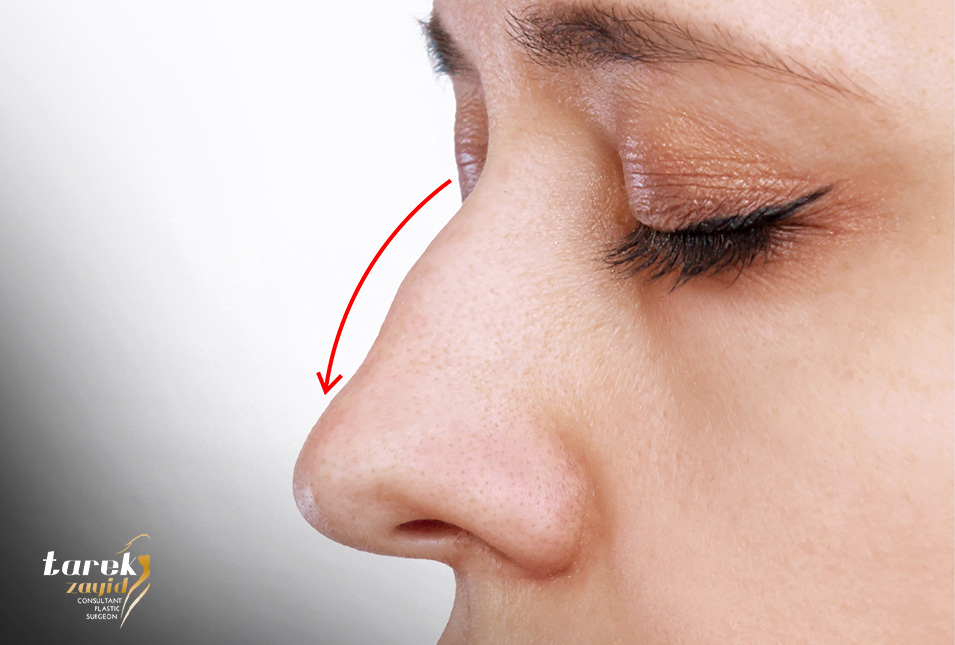
A prominent nasal hump may develop because of hereditary factors, injuries, or contact sports. Rhinoplasty improves nose appearance, boosts self-confidence, or treats breathing problems. The procedure may be performed through an open or closed technique, and achieves immediate results.
Share this page:

 Whatsup
The nose is one of the most important features of the face. Although it is a relatively small structure, it has a significant impact on facial appearance and often creates the first impression of a person's overall look.
What Causes a Prominent Nasal Hump?
Dr. Tarek Zayid explains that a prominent nasal hump may develop for several reasons, including:
• Genetic factors: If one of the parents has a prominent nasal hump, there is a higher chance that the condition may be inherited by their children.
• Direct trauma or injury: A strong blow to the nose or a serious accident may cause changes in the nasal bones.
• Contact sports: Sports such as boxing increase the risk of nasal fractures, which may later result in a prominent nasal hump.
What Is the Purpose of Surgery for a Prominent Nasal Hump?
In fact, there are two goals in rhinoplasty (nose bone correction). The first goal is to improve psychological well-being, as the shape of the nose can significantly impact a person's mental state. This is achieved by improving the shape and size of the nose to better suit the rest of the face.
The second goal is therapeutic, as some people resort to treating nasal bone protrusion to solve breathing difficulties.
How Should You Prepare for Surgery?
Patients should expect a more balanced and attractive nasal appearance after surgery, as rhinoplasty focuses on making precise changes that can have a significant impact on the overall facial appearance.
It is important to discuss your reasons for surgery with your surgeon and talk openly about your expectations. Most importantly, you should have confidence in your surgeon's judgment and treatment plan.
How Is a Prominent Nasal Hump Treated?
Surgery remains the most effective treatment for a prominent nasal hump. However, there is no need to worry when the procedure is performed by an experienced rhinoplasty surgeon such as Dr. Tarek Zayid.
Rhinoplasty can be performed using either an open or a closed approach. In open rhinoplasty, the surgeon has a clearer view of the nasal structures, allowing more accurate correction and removal of the prominent nasal hump.
What Determines the Type of Rhinoplasty?
The choice between open and closed rhinoplasty depends on the surgeon's evaluation, experience, and professional judgment.
The procedure usually takes between one and two hours. Because reshaping a prominent nasal hump often involves modifying the nasal bones, swelling and bruising may be more noticeable during the early recovery period. With proper postoperative care and by following the surgeon's instructions, these temporary effects gradually improve.
How Is Surgery for a Prominent Nasal Hump Performed?
Surgery for a prominent nasal hump is considered a specialized rhinoplasty procedure because it can produce noticeable improvements in facial appearance and help increase self-confidence.
The procedure involves reshaping the nasal bones and cartilage to create a nose that is more balanced with the rest of the face.
Particular attention is given to the prominent nasal hump by reducing excess cartilage and reshaping the nasal bridge when necessary to achieve the most harmonious overall appearance.
Why Does the Face Look More Attractive After Removing a Nasal Hump?
Surgical correction of a prominent nasal hump is one of the most effective ways to improve the appearance of the nose. After the hump is removed, the nose often appears smaller and more proportionate to the rest of the face.
Because the nose is located at the center of the face, even a small change can make a noticeable difference in overall facial harmony. Once the hump is removed, other facial features—especially the eyes—often become more prominent, making the face appear more balanced and attractive.
Why Can a Nasal Hump Sometimes Appear After Rhinoplasty?
Choosing an experienced rhinoplasty surgeon is one of the most important factors in achieving successful results.
Dr. Tarek Zayid explains that, although uncommon, a nasal hump may appear after rhinoplasty for several reasons, including:
1. Swelling of the tissues during the healing process.
2. Formation of a bony callus at the site where the nasal bone was fractured or reshaped.
3. The presence of residual excess bone after surgery.