Risks of Rhinoplasty
Rhinoplasty can improve the appearance of the nose and help with breathing, but it may involve certain risks. Recovery requires time, and potential complications can occur. Choosing a skilled surgeon and following medical instructions can help reduce the risks.
Share this page:

 Whatsup
Rhinoplasty is among the most widely performed cosmetic procedures, designed to improve nasal aesthetics and facial harmony while correcting functional issues such as a deviated septum or respiratory impairment. However, every surgical procedure carries potential risks, making a thorough understanding of rhinoplasty complications essential for anyone considering the procedure.
In this article, we will discuss in detail the potential risks and complications that should be considered before making a decision.
Candidates for Rhinoplasty
Not every patient is a candidate for rhinoplasty. Specific criteria must be met to ensure surgical safety and achieve optimal results:
1. Individuals with Aesthetic Nasal Concerns:
• An oversized or disproportionately small nose relative to facial balance.
• Prominent crookedness or deviation along the nasal bridge.
• A bulbous, drooping, or overly upturned nasal tip.
• Wide, flared, or asymmetric nostrils.
2. Individuals with Functional Breathing Impairments:
• Airway obstruction caused by a deviated nasal septum.
• Structural abnormalities restricting airflow.
• Sleep-related health problems, including obstructive sleep apnea.
3. Individuals in Good General Health:
• Absence of serious chronic illnesses, bleeding or coagulation disorders, and impaired wound-healing conditions.
• Non-smokers, as nicotine severely impedes microvascular circulation and slows healing.
4. Individuals with Realistic Expectations:
• Understanding that rhinoplasty aims for aesthetic improvement and harmony rather than absolute perfection.
• Willingness to remain patient through gradual healing stages before final results emerge.
Types of Rhinoplasty
Rhinoplasty is categorized into two main types based on surgical objectives:
1. Cosmetic Rhinoplasty: Focuses on enhancing the aesthetic nasal appearance, including:
• Reduction Rhinoplasty: Removing excess tissue to make the nose smaller and more proportionate to the face.
• Tip Refinement (Tip plasty): Improving the shape of the nasal tip to make it more defined.
• Correcting Nasal Deviation: Realigning the nasal bones to correct crookedness and asymmetry.
• Nostril Reduction: Narrowing wide or flared nostrils to balance the nasal base.
2. Functional Rhinoplasty: Focuses on restoring or improving nasal airway function, including:
• Septoplasty: Straightening a deviated septum to eliminate chronic nasal obstruction.
• Reconstructive repair: Correcting congenital defects or traumatic post-accident deformities.
• Airway widening: Treating chronic nasal valve stenosis and constricted internal passages.
Rhinoplasty Techniques
Rhinoplasty can be performed using two main techniques:
• Open Rhinoplasty: A small external incision is made between the nostrils, providing direct visualization of the entire skeletal framework. This is typically used for complex structural adjustments or revisions.
• Closed Rhinoplasty: All incisions are made inside the nose, leaving no external scars. It is ideal for minor to moderate adjustments.
Stages of Recovery After Rhinoplasty
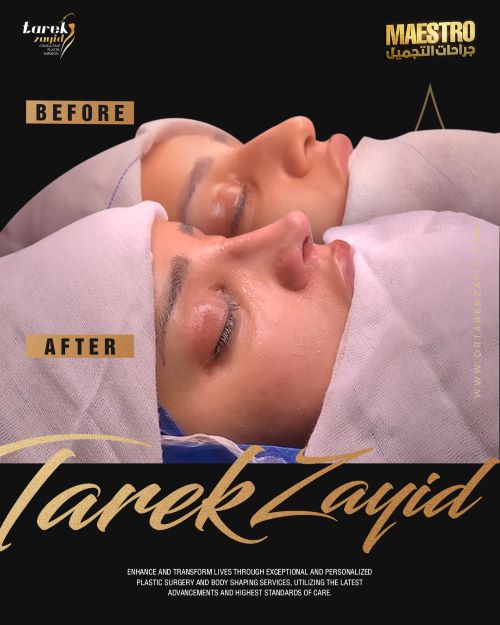
After rhinoplasty, patients go through several stages of recovery before reaching the final result. Recovery time varies from person to person depending on individual healing and the surgical technique used. In general, the recovery stages after rhinoplasty are as follows:
1. The First Week: Initial Swelling Stage
• A nasal splint is applied to maintain the new shape and reduce swelling.
• The patient may experience mild pain or pressure in the nose, which can be managed with pain medication.
• Swelling and bruising may occur around the eyes, but they gradually begin to subside.
• Strenuous physical activity should be avoided during this period.
2. The Second Week to the First Month: Initial Improvement
• The splint is removed after 7 to 10 days, allowing the patient to see an initial improvement in the shape of the nose.
• Some swelling remains, but it gradually improves over time.
• Sensation begins returning to normal, although some numbness may remain in the nasal tip.
• Patients can generally return to work and daily activities while avoiding strenuous exercise.
3. The Second to Sixth Month: Gradual Improvement in Appearance and Breathing
• Edema continues to resolve, revealing more refined contours and sharper tip definition.
• The nostrils begin to become more symmetrical, particularly if they were modified during surgery.
• The patient gradually regains normal breathing as airflow improves.
• Physical activities can be gradually resumed after consulting the surgeon.
4. Six Months to One Year: Final Results
• Swelling continues to resolve, and the nose reaches its final shape.
• Nasal function improves, and the airways stabilize.
• The final result can be assessed. If further adjustments are needed, the doctor may recommend minor corrective procedures after one year.
Risks of Rhinoplasty and How to Prevent Them
While rhinoplasty has a high safety record when performed by an experienced plastic surgeon, potential complications should be understood prior to surgery:
1. Potential Surgical Complications:
• Swelling and bruising: Expected around the nose and eyelids, resolving steadily over the initial weeks.
• Bleeding: Minor post-operative oozing is common during the first few days, though severe hemorrhage is rare.
• Infection: Uncommon in facial surgery; effectively prevented with prophylactic antibiotics and proper wound hygiene.
• Anesthesia risks: Adverse reactions to general anesthesia, managed by certified anesthesiology teams.
2. Risks Related to Aesthetic Results:
• Asymmetrical Nostrils: The nostrils may heal at different rates, though symmetry usually balances out over the recovery period.
• Unsatisfactory cosmetic results: Differences between expectations and the cosmetic results that may occasionally require secondary revision.
• Altered skin sensation: Prolonged numbness across the nasal tip or dorsal skin, which typically resolves within several months.
• Noticeable scarring: Rare with proper suturing, but occasionally visible along the columella in open rhinoplasty.
3. Functional Complications:
• Persistent breathing obstruction: In some cases, patients may experience difficulty breathing if the nasal passages become excessively narrowed.
• Voice resonance changes: Slight shifts in vocal tone, though clinically rare.
• Structural weakness: Cartilage weakening or graft displacement that can affect nasal stability over time.
How to Minimize Rhinoplasty Risks
• Choose a qualified, board-certified plastic surgeon with deep expertise in nasal surgery, such as Dr. Tarek Zayid.
• Strictly follow all preoperative and postoperative medical guidelines to avoid infections and reduce swelling.
• Stop smoking well before and after surgery to support microvascular circulation and tissue repair.
• Complete all routine preoperative laboratory screenings to confirm surgical candidacy.
• Maintain patience throughout the recovery period, as true final results take 6 to 12 months to emerge.
When Does Breathing Improve After Rhinoplasty?
Improved breathing is a primary goal for patients undergoing septoplasty or structural rhinoplasty. Typical airway recovery progresses as follows:
• Weeks 1 to 2: Breathing through the nose may be difficult due to internal mucosal swelling, splints, or secretions; mouth breathing is common during this stage.
• At 1 Month: Airflow improves significantly as mucosal swelling clears, though minor fluctuations remain normal.
• At 3 to 6 Months: Breathing stabilizes substantially as deep internal tissues heal.
• At 1 Full Year: Internal airways reach full stabilization, delivering optimal, permanent functional outcomes.
Tips to Support Breathing Recovery
• Use sterile saline nasal sprays to gently cleanse nasal passages.
• Avoid smoking and any substances that may irritate the nose during the recovery period.
• Drink plenty of fluids to keep mucosal tissues hydrated and prevent thick secretions.
• Follow the doctor’s instructions and do not use nasal sprays without medical advice.
In Conclusion
Although rhinoplasty can significantly improve both the appearance and function of the nose, it carries potential risks that should be taken into consideration. If you are considering the procedure, consult a qualified rhinoplasty surgeon, such as Dr. Tarek Zayid, to discuss the potential risks and make an appropriate decision based on your individual expectations and health condition.