Rhinoplasty Results
Rhinoplasty surgical outcomes vary based on nasal anatomy and the surgeon's expertise, developing gradually over the course of a full year. Techniques range from open to closed approaches, and the specific procedure directly influences recovery duration and overall cost.
Share this page:

 Whatsup
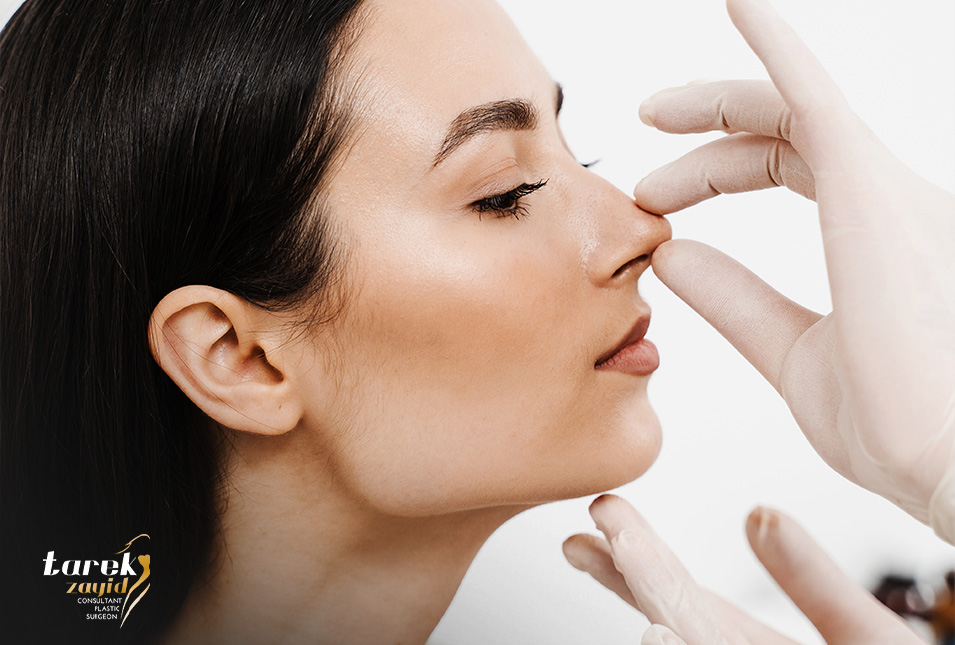
Rhinoplasty is among the most popular cosmetic procedures, performed both to refine external nasal aesthetics and to correct functional airway issues. With continuous advancements in surgical techniques, rhinoplasty results have become increasingly precise and predictable, provided the surgery is performed by a specialized surgeon with proven technical expertise.
Dr. Tarek Zayid, Consultant Plastic Surgeon, explains everything you need to know about the types of rhinoplasty, procedural success rates, and the key factors influencing final outcomes.
Rhinoplasty Results
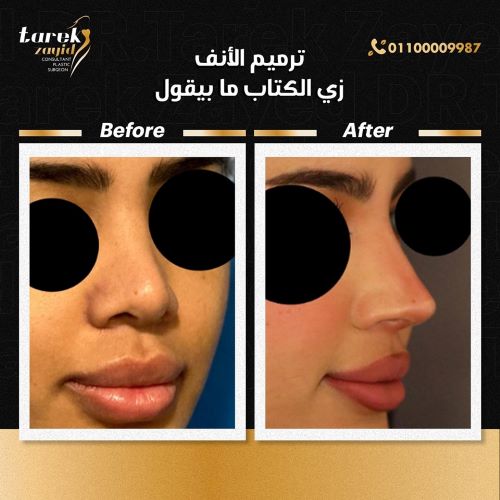
The primary goal of rhinoplasty is to achieve a nasal contour that harmonizes naturally with overall facial features—whether through reduction, tip refinement, smoothing dorsal humps or crooked deviations, or improving respiratory function.
Rhinoplasty results emerge gradually through several phases:
• Initial results: Begin to appear around two weeks post-surgery as acute swelling subsides.
• Intermediate results: Become noticeable within 3 to 6 months as underlying contours stabilize.
• Final results: Emerge fully between 9 and 12 months after surgery.
What Defines a Successful Rhinoplasty Result?
A rhinoplasty is considered successful when it delivers:
• Natural harmony with existing facial proportions.
• Improved nasal airflow, if there was a previous deviation or obstruction .
• Correction of aesthetic concerns, such as a dorsal hump or a wide nasal tip.
• A balanced, natural-looking nose without an exaggerated or artificial appearance.
Outcomes vary depending on nasal type (thick-skinned/bulbous vs. thin-skinned/bony), surgical technique, and the surgeon's experience.
Types of Rhinoplasty
Procedures vary according to clinical objectives and surgical approach:
• Cosmetic rhinoplasty: Focuses on external aesthetics, such as reducing overall size, correcting dorsal humps, or elevating the nasal tip.
• Functional rhinoplasty: Corrects medical and anatomical issues, such as a deviated septum or airway obstruction, often performed concurrently with cosmetic adjustments.
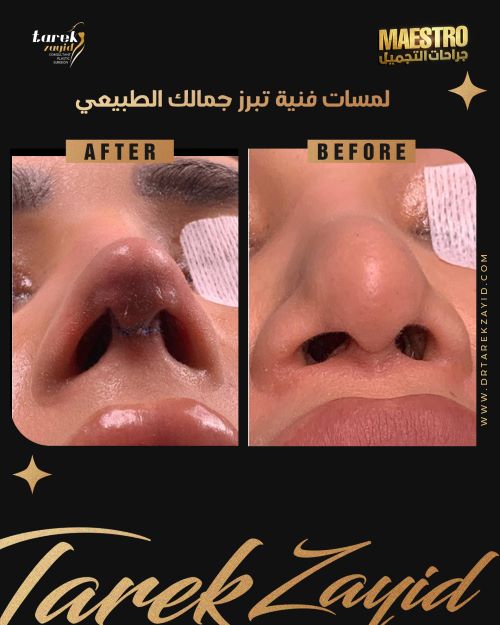
• Open rhinoplasty: Utilizes a small incision between the nostrils, providing full exposure for complex structural modifications.
• Closed rhinoplasty: Performed entirely through internal incisions inside the nostrils with no external cuts, making it ideal for minor to moderate refinements.
• Laser or thread rhinoplasty: Limited to select minor adjustments; these are not considered alternatives to surgery in cases requiring structural realignment or major deviation repair.
The selection of technique depends on nasal anatomy, patient goals, and the surgeon's thorough clinical assessment.
Success Rate of Rhinoplasty
Rhinoplasty boasts high success rates, particularly when performed by an experienced plastic surgeon. Globally, success rates generally range from 90% to 95%. In the hands of an experienced specialist such as Dr. Tarek Zayid, the probability of achieving stable, natural-looking results without requiring secondary revisions is maximized.
Factors Influencing Success Rates
• The surgeon's precision, technical skill, and clinical experience.
• The accuracy of preoperative planning and diagnostic assessment.
• Nasal anatomy and skin thickness (bony, thin-skinned noses typically reveal results faster than thick-skinned, bulbous noses).
• Patient adherence to postoperative recovery guidelines.
• Absence of chronic inflammatory conditions or healing impairments.
Only a small percentage of cases (under 5%) require secondary rhinoplasty to optimize the final contour.
Rhinoplasty Recovery Timeline
Recovery duration is one of the most frequent concerns patients raise prior to surgery. While individual healing varies, the standard recovery timeline includes:
1. Week 1: The nasal splint or internal supports are removed, and initial swelling begins to subside.
2. Week 2: Bruising around the eyes fades noticeably, allowing most patients to return to work and daily routines.
3. Month 1: The nose begins to display its newly defined profile as soft-tissue edema recedes.
4. Months 3 to 6: The vast majority of post-surgical swelling clears, and the final result becomes increasingly apparent.
5. Month 12: The permanent, fully settled surgical result is established.
Following the postoperative instructions provided by the surgeon helps promote recovery and reduce the risk of complications.
When Do Rhinoplasty Results Become Visible?
Rhinoplasty results develop in progressive stages rather than appearing immediately, which is completely normal due to surgical swelling:
• Initial results appear within 2 to 3 weeks.
• The new nasal contours begin to become clearer after 2 to 3 months.
• The final outcome becomes fully apparent within 6 to 12 months, particularly in thick-skinned cases or complex reconstructive surgeries.
Therefore, patients should be patient and attend regular follow-up appointments with their surgeon until recovery is complete.
Cost of Rhinoplasty in Egypt
Pricing for rhinoplasty in Egypt depends on several key variables:
• The surgeon's experience and reputation.
• The surgical approach (open, closed, or adjustments to thick vs. thin skin).
• Structural complexity and individual nasal anatomy.
• The anesthesia protocol and hospital accreditation standards.
• Whether the procedure is strictly cosmetic or includes functional airway repair.
With Dr. Tarek Zayid, patients receive a comprehensive evaluation and transparent pricing prior to surgery, ensuring high safety standards, technical precision, and natural cosmetic outcomes.
In Conclusion
Rhinoplasty procedures are tailored to each patient's anatomical needs and goals, whether aesthetic or functional. When performed by a qualified, experienced surgeon, the results can be both transformative and long-lasting. Consulting Dr. Tarek Zayid, Consultant Plastic Surgeon, ensures a precise assessment and personalized surgical strategy designed to deliver optimal outcomes in both nasal aesthetics and breathing function.