Rhinoplasty Cost in Egypt
Rhinoplasty helps restore facial harmony and can correct nasal deformities or breathing problems. It is suitable for individuals seeking to improve their appearance or boost their self-confidence. The results are highly precise, while the cost varies depending on several factors.
Share this page:

 Whatsup
Rhinoplasty is one of the most popular cosmetic procedures among women and, increasingly, among men as well. In this article, you will learn about the reasons for undergoing rhinoplasty, the impact of rhinoplasty on patients, the different types of rhinoplasty procedures, the benefits and risks of nose surgery, and the cost of rhinoplasty in Egypt.
What Is Rhinoplasty?
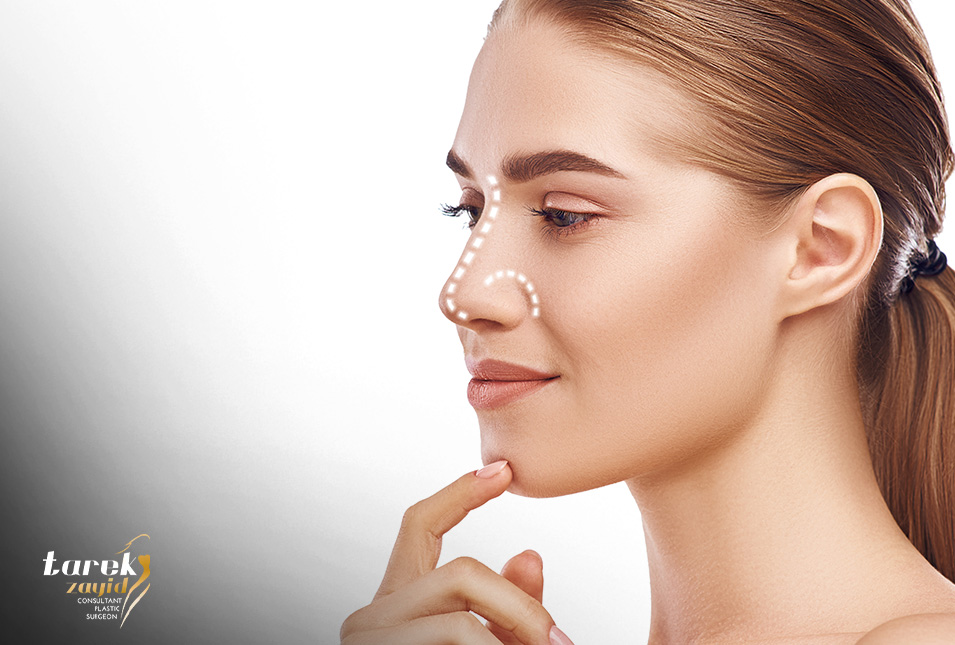
Rhinoplasty, also known as nose reshaping surgery, is a surgical procedure performed to improve the appearance of the nose and create better facial harmony. In some cases, it is also performed to treat medical conditions or correct deformities resulting from injury or trauma.
Rhinoplasty procedures can reshape the nose in terms of its size, shape, and overall proportions.
What Problems Can Rhinoplasty Treat?
• Breathing Problems: Some individuals experience breathing difficulties due to a deviated nasal septum. In such cases, surgical intervention may be required to correct the deviation and improve airflow.
• Correction of Post-Traumatic Deformities: Accidents and injuries can result in nasal fractures or deformities that may require surgical treatment and reconstruction of the nose.
• Nose Augmentation: In many cases, nose augmentation is performed as part of a reconstructive procedure following trauma, incomplete nasal development, or the removal of part of the nose due to a medical condition.
• Nose Reduction: Rhinoplasty can reduce the size of the nasal tip, reshape the nasal bridge, or decrease the width of the nose to achieve better facial balance.
• Psychological and Self-Confidence Concerns: Many individuals who seek rhinoplasty for cosmetic reasons rather than medical treatment may struggle with self-confidence issues and believe that improving the appearance of their nose can help enhance their confidence and self-image.
Rhinoplasty Cost in Egypt
The cost of rhinoplasty in Egypt varies depending on several factors, including the patient's age and medical condition, the type of correction required, whether the goal is nose reduction, correction of post-traumatic deformities, or treatment of breathing problems.
The cost may also vary according to the hospital where the procedure is performed, the surgical instruments and techniques used, as well as the medical team assisting during the procedure.
For this reason, Dr. Tarek Zayid believes that patients should discuss their expectations, treatment goals, and the total cost of surgery with their surgeon before making a final decision.
Risks of Rhinoplasty
Traditional rhinoplasty is considered a major surgical procedure and may involve certain risks, including:
• Bleeding.
• Infection.
• Adverse reactions to anesthesia.
• Persistent pain after surgery.
• The need for additional corrective surgery.
• Scarring.
• Permanent numbness of the nose.
• Risks associated with tissue grafting procedures used in nasal reconstruction.
However, Dr. Tarek Zayid emphasizes that many of these risks can be minimized by choosing a qualified plastic surgeon with extensive experience and a proven track record of successful outcomes.
Is There a Relationship Between Depression and Rhinoplasty?
As mentioned earlier, rhinoplasty is often considered an ideal solution for people who struggle with low self-confidence and believe that a specific feature of their nose is the cause.
However, there is another aspect worth considering. Some individuals may experience depression after undergoing rhinoplasty. This can be related to difficulty adapting to the new appearance of the nose.
Although numerous studies have examined this topic, they have not been able to fully explain it from a scientific standpoint. However, some research suggests that post-cosmetic surgery depression may be associated with Body Dysmorphic Disorder (BDD), a psychological condition related to a person's perception of their physical appearance.
For this reason, Dr. Tarek Zayid emphasizes the importance of consulting an experienced plastic surgeon before undergoing rhinoplasty to determine whether the procedure is truly necessary and to help prepare the patient for the expected post-operative appearance.
Types of Rhinoplasty Procedures
Rhinoplasty is one of the most common and versatile cosmetic procedures. While many people think of rhinoplasty as purely cosmetic surgery, it can also address a wide range of functional and structural concerns, including reshaping the nose, improving breathing, and correcting nasal deformities. Some of the most common types of rhinoplasty procedures include:
1. Rhinoplasty
Cosmetic rhinoplasty is one of the most popular forms of nose surgery. It is performed to reshape the nose and improve its appearance, size, proportions, and overall harmony with the face.
When performed by a skilled and qualified surgeon such as Dr. Tarek Zayid, rhinoplasty can be a life-changing procedure. The goal is not only to improve the appearance of the nose but also to enhance overall facial balance. Patients often feel that their new nose looks natural, as though it has always belonged to their face.
Rhinoplasty is performed by reshaping the nasal framework, including the bones, cartilage, and skin. The procedure can address:
1. Correction of a crooked nose.
2. Smoothing a prominent hump on the nasal bridge.
3. Reducing an excessively projected nasal tip.
4. Refining a bulbous nasal tip.
5. Narrowing a nose that appears too wide for the face.
6. Reducing the size of an overly large nose.
7. Restoring nasal symmetry after injury.
8. Improving breathing by opening blocked nasal passages.
Rhinoplasty is considered a highly precise procedure because of the complex anatomy of the nose. Therefore, choosing an experienced surgeon such as Dr. Tarek Zayid is essential for achieving the best possible results while minimizing complications.
2. Septoplasty
Septoplasty is a functional nasal procedure used to correct a deviated nasal septum. This surgery improves airflow through the nose and helps patients breathe more comfortably. The nasal septum, which is made of cartilage and bone, separates the nose into two nasal passages. A deviated septum occurs when the septum bends or shifts to one side instead of remaining centered.
A deviated septum can partially or completely block one or both nasal passages, affecting normal airflow.
During septoplasty, an incision is made inside the nose to access the septum. The surgeon then repositions the septum into its proper alignment. Any obstructions, including excess cartilage or bone, may also be removed during the procedure.
Septoplasty can help treat:
1. Nasal obstruction and difficulty breathing.
2. Removal of nasal polyps, which are soft non-cancerous growths that may develop in the lining of the nose or sinuses.
3. Chronic sinusitis.
4. Conditions that cause blockage of the nasal airway.
3. Non-Surgical Rhinoplasty
Non-surgical rhinoplasty is a cosmetic procedure used to temporarily change the shape of the nose without surgery. This is typically achieved using dermal fillers or surgical threads to correct selected nasal concerns.
Although many patients prefer non-surgical rhinoplasty because it does not involve large surgical incisions or a lengthy recovery period, it remains a limited procedure and cannot change the underlying nasal structure or anatomy.
Nose Filler
Nose fillers use injectable dermal fillers to modify the shape of the nose and provide an alternative to traditional surgery.
Unlike surgical rhinoplasty, the results are temporary and last only until the filler material is naturally absorbed by the body. As a result, repeated injections are required to preserve the desired appearance.
The procedure usually takes less than one hour and produces immediate results. Nose fillers can create mild to moderate improvements in nasal shape and symmetry.
Nose fillers cannot remove tissue or make the nose physically smaller, but they can improve balance and contour. Nose filler treatments may help:
1. Camouflage a hump on the nasal bridge.
2. Improve the appearance of a convex or concave nasal profile.
3. Add volume to specific areas of the nose.
4. Improve the appearance of a mildly crooked nose.
Nose Thread Lift
A nose thread lift uses dissolvable surgical threads made from PDO (Polydioxanone), which is a biocompatible material that is absorbable, biodegradable, and generally well tolerated by the body. Over time, the threads are naturally absorbed.
The results can last for several years, but the procedure is not permanent. A local anesthetic is applied at the thread entry point, which is commonly located at the tip of the nose. This procedure can help:
1. Lift a drooping nasal tip.
2. Improve the appearance of the nasal bridge.
3. Enhance the contour of the nose.
Although non-surgical rhinoplasty has become increasingly popular and successful, it is not considered a replacement for surgical rhinoplasty, particularly in cases that require modification of the internal nasal structure, bones, or cartilage.
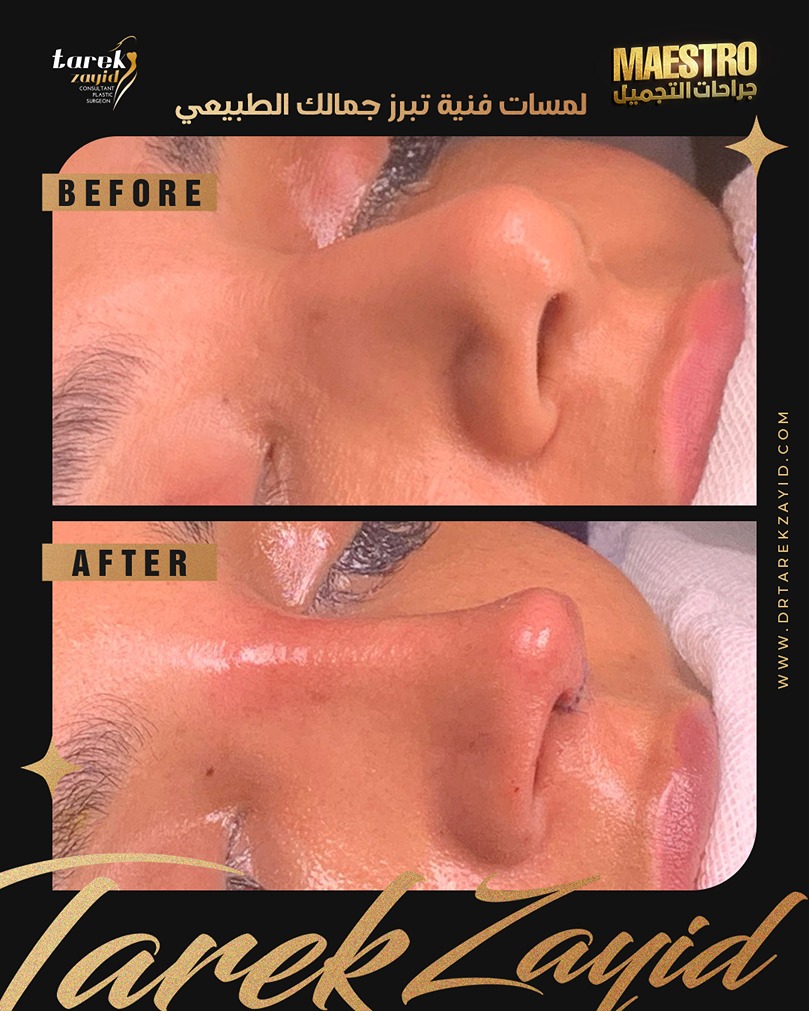
What Is the Difference Between Open and Closed Rhinoplasty?
Both open and closed rhinoplasty are surgical techniques used to perform rhinoplasty. However, there are several differences between the two approaches, including:
1. In open rhinoplasty, the procedure is performed through an open surgical incision that allows the nasal skin to be lifted, giving the surgeon a clear view of the underlying nasal structures. In contrast, closed rhinoplasty does not require this incision. The entire procedure is performed through the nostrils, leaving no visible external scars.
2. Open rhinoplasty provides full visualization of the internal nasal structures, allowing the surgeon to accurately reshape the nose according to the patient's goals. In closed rhinoplasty, the surgeon has a more limited view, which may restrict the extent of modifications and make highly detailed corrections more challenging.
3. Open rhinoplasty generally involves a longer recovery period, and bruising and swelling may be more noticeable. On the other hand, closed rhinoplasty is usually associated with a shorter recovery time and a shorter surgical procedure.
The most suitable technique depends on each patient's condition and treatment goals. Therefore, consulting Dr. Tarek Zayid is essential to determine the best approach and achieve optimal results with minimal complications.
Factors Affecting Rhinoplasty Cost in Egypt
The cost of rhinoplasty in Egypt varies depending on several factors, including:
1. The Patient's Individual Condition
The cost varies according to each patient's specific case. Revision rhinoplasty, for example, is generally more complex than primary rhinoplasty and may therefore involve higher costs. The price may also differ depending on the type of rhinoplasty and the purpose of the procedure, whether it is cosmetic rhinoplasty or functional nasal surgery.
2. Choice of Surgeon
Selecting a qualified and experienced surgeon plays a significant role in determining the cost of rhinoplasty. Surgeons with extensive experience in rhinoplasty procedures, such as Dr. Tarek Zayid, may have different pricing based on their expertise, surgical techniques, and ability to choose the most suitable treatment plan for each patient.
3. Location of the Procedure
The hospital or surgical facility also affects the overall cost of rhinoplasty. Factors such as anesthesia fees, operating room costs, surgical equipment, and the length of hospital stay after surgery can all influence the final price.
What Makes Dr. Tarek Zayid One of the Best Rhinoplasty Surgeons in Egypt?
Dr. Tarek Zayid is recognized by many patients as one of the leading rhinoplasty surgeons in Egypt for several reasons, including:
• Experience and Skill: Hundreds of patients have undergone rhinoplasty procedures with Dr. Tarek Zayid, contributing to his extensive experience and advanced skills in managing the complex anatomy of the nose. He has also obtained multiple professional certifications in various surgical fields.
• Credibility and Honest Guidance: Dr. Tarek Zayid carefully evaluates each case and recommends the most appropriate rhinoplasty procedure based on the patient's needs and goals. Many patients appreciate his honesty, professionalism, and the results they achieve following surgery.
• Continuous Patient Follow-Up: Dr. Tarek Zayid provides ongoing support and follow-up before and after rhinoplasty. This comprehensive care helps patients experience a smoother recovery process and contributes to achieving the best possible outcome.