How to Prepare for Rhinoplasty
To achieve the best rhinoplasty results, patients should undergo a thorough preparation steps, and stop smoking before surgery. Following post-operative instructions is equally important. Choosing an experienced surgeon is essential for achieving safe and natural-looking results.
Share this page:
 Whatsup
How Do You Prepare for Rhinoplasty?
Rhinoplasty is one of the most popular cosmetic procedures among both women and men. However, it is also a delicate surgical procedure that requires careful adherence to medical instructions before and after the procedure to ensure the best possible outcome.
In this article, we will discuss everything you need to know about rhinoplasty and how to protect the final results after surgery.
What Is Rhinoplasty?
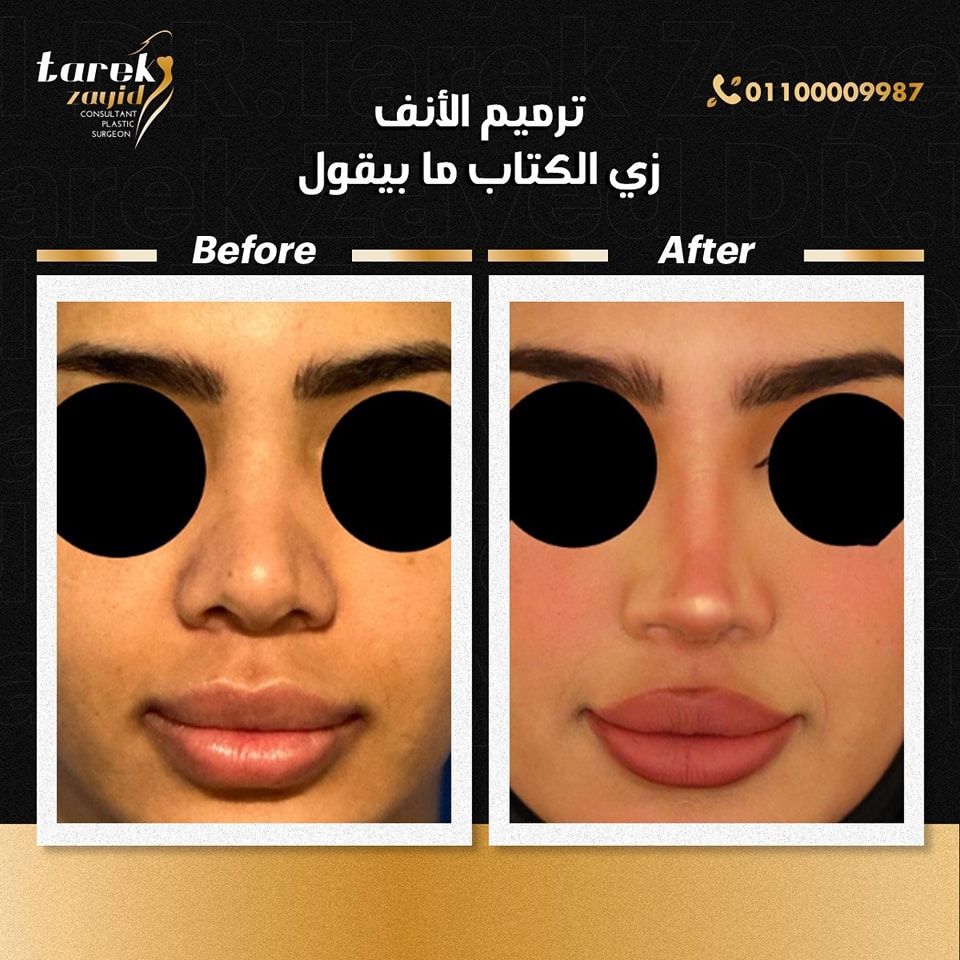
Rhinoplasty is a medical procedure performed to improve the appearance of the nose or to correct a medical condition affecting the nose and breathing.
Some of the most common reasons for undergoing rhinoplasty include:
• A fractured nose.
• A crooked or deviated nose.
• Congenital nasal deformities.
• Narrow nasal airways affecting breathing.
• Nasal asymmetry or deviation.
Is There an Ideal Age for Rhinoplasty?
As mentioned earlier, rhinoplasty may be performed for either cosmetic or medical reasons.
If the purpose of the procedure is purely cosmetic, doctors generally recommend waiting until facial growth is complete and the patient has passed adolescence.
However, when rhinoplasty is needed to treat a medical condition or functional problem, surgery may be performed at almost any age, depending on the patient's condition.
Preparing for Rhinoplasty Surgery
One reason rhinoplasty remains so popular is that many people seek a specific nasal appearance that matches their aesthetic goals. Some individuals even consider rhinoplasty despite already having a nose that is well balanced with their facial features.
For this reason, Dr. Tarek Zayid advises patients to seek professional medical advice before deciding to undergo rhinoplasty.
The preparation process typically includes medical examinations, laboratory tests, a thorough nasal assessment, and a discussion regarding the changes needed to achieve better facial harmony.
The surgeon will also take photographs of the nose from both the outside and inside for evaluation and surgical planning.
Patients are strongly advised to stop smoking before surgery, as smoking can significantly delay the healing process.
Dr. Tarek Zayid typically evaluates:
• The patient's medical history.
• Physical examination findings.
• Pre-operative and post-operative nasal photographs.
• The patient's expectations regarding the surgical outcome.
Preparations Before Rhinoplasty
Proper preparation before rhinoplasty can help reduce swelling, bruising, and recovery time after surgery.
Some important preparations include:
1. Avoid taking pain relievers and blood-thinning medications, including aspirin, for two weeks before surgery. Patients should also inform Dr. Tarek Zayid about any medications they take regularly.
2. Smoking should be completely stopped at least one month before rhinoplasty. Smoking not only increases the risk of surgical complications but also interferes with wound healing by reducing blood flow through small blood vessels.
3. Preparing the medications used during the recovery period before surgery can help make the recovery period more comfortable.
Rhinoplasty Procedure Steps
Rhinoplasty usually takes between one and three hours, although more complex or revision procedures may require additional time.
1. General anesthesia is administered before the procedure begins. Once the patient is asleep and the anesthesia takes effect, surgery can start.
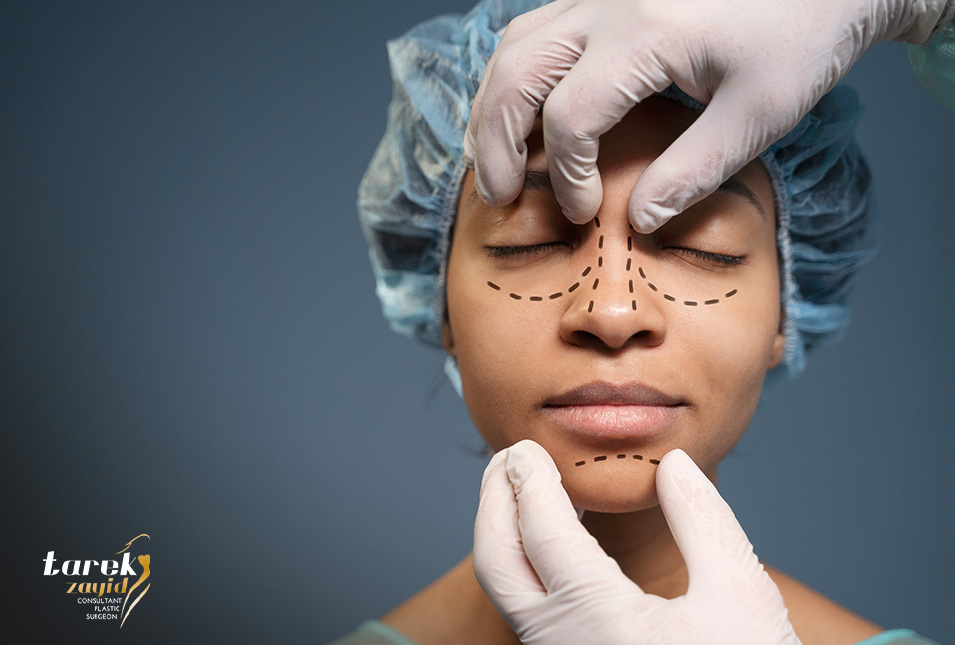
2. Before making any incisions, Dr. Tarek Zayid marks the nose with surgical guidelines to identify the areas that require modification.
3. The surgical approach is determined in advance based on the patient's needs. one of the following two methods is used:
o Open Rhinoplasty: Small incisions are made across and inside the tissue between the nostrils. The skin is then lifted upward and backward, allowing full access to the internal nasal structures.
o Closed Rhinoplasty: Two small incisions are made inside each nostril, leaving no visible external scar.
The exact details of surgery depend on the patient's anatomy, desired outcome, and the surgeon's technique. The procedure may include:
o Removing portions of nasal tip cartilage and using sutures to refine a bulbous nasal tip.
o Removing tissue from the base of the nostrils to reduce nostril width and improve symmetry.
o Removing and repositioning bone and cartilage to reduce a nasal hump and narrow the nasal bridge.
o Using cartilage grafts from the nasal septum, ear, or ribs to rebuild the nasal tip or create a straighter and more defined nasal bridge.
4. Once the nose has been reshaped, the incisions are closed using dissolvable sutures.
5. A nasal splint is then applied to support and protect the nose during healing.
After Rhinoplasty
• A nasal splint is usually worn for approximately one week after surgery.
• Cotton packing may be placed inside the nose and is generally removed within 24 to 48 hours according to the surgeon's instructions.
• Many patients experience mild to moderate discomfort after rhinoplasty, which usually improves within a few days.
• Swelling and bruising around the nose and eyes are common and may last for approximately two weeks.
• Follow-up appointments should be attended as scheduled to monitor healing and help prevent complications.
How to Clean the Nose After Rhinoplasty
Cleaning the nose after rhinoplasty requires special care because the nose is still healing during this period.
Patients may experience:
• Painful bruising around the nose.
• The presence of a nasal splint.
Bruising and the splint may cause temporary discomfort and make breathing and nasal cleaning more difficult. Fortunately, these symptoms improve gradually and bruising typically subsides after the splint is removed.
Dr. Tarek Zayid recommends the following precautions when cleaning the nose after surgery:
• Do not blow your nose.
• Use a very soft tissue to gently wipe the nose.
• Avoid rubbing the nose for up to eight weeks after surgery.
• Keep your mouth open when coughing or sneezing to reduce pressure on the nose and surgical area.
Instructions After Rhinoplasty
• Avoid strenuous exercise such as running or cycling.
• Avoid excessive facial expressions such as intense laughing or crying.
• Brush your teeth gently and limit movement of the upper lip.
• Avoid clothing that must be pulled over the head.
• Use sunscreen regularly.
• Avoid wearing eyeglasses or sunglasses for the period recommended by your surgeon.
Important Recovery Tips from Dr. Tarek Zayid
Following Dr. Tarek Zayid's recommendations can help shorten recovery time and achieve the best possible results.
1. Avoid smoking for at least one month after rhinoplasty.
2. Avoid fillers and Botox immediately after rhinoplasty. It is generally recommended to wait approximately one month to reduce the risk of infection.
3. Sleep on your back with your head elevated to help reduce swelling and avoid accidental trauma to the nose.
4. Avoid strenuous physical activities and sports for approximately six weeks after surgery.
5. Avoid excessive sun exposure after rhinoplasty, especially without sunscreen.
6. Be careful not to place pressure on the nasal bridge when wearing eyeglasses or sunglasses.