Diagnosis and Treatment of a Deviated Nasal Septum
Home Patient Guide Diagnosis and Treatment of a Deviated Nasal Septum
Diagnosis and Treatment of a Deviated Nasal Septum
A deviated nasal septum may cause difficulty breathing, snoring, headaches, and chronic sinus infections. It is diagnosed through a physical examination and nasal endoscopy. Surgery is the most effective treatment for straightening the septum, with a success rate of up to 90%.
Share this page:

 Whatsup
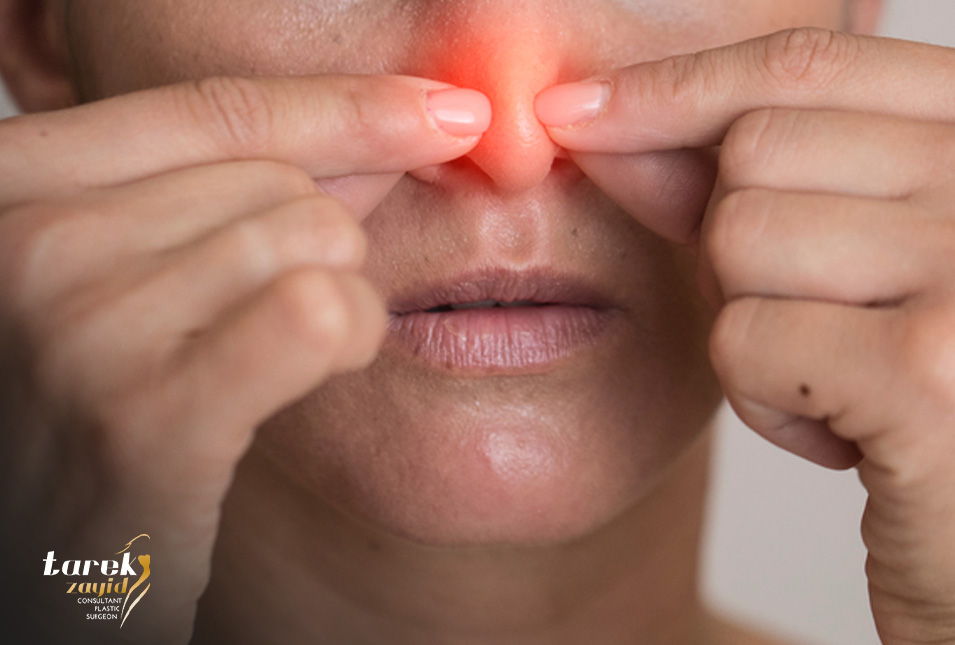
Septoplasty is a surgical procedure used to correct the septum that separates the two nostrils. The nasal septum is a central and important part of the respiratory system. A deviated septum can cause breathing difficulties and other complications that may require surgical treatment.
In this article, we discuss the diagnosis of a deviated nasal septum, the importance of septoplasty, its results, possible risks, success rate, and cost.
Symptoms of a Deviated Nasal Septum
A deviated nasal septum is a common condition in which the septum leans to one side, narrowing one or both nasal passages. Symptoms may include:
• Difficulty breathing through the nose: The patient may have difficulty breathing through one or both nostrils, especially while sleeping or when suffering from a cold.
• Nasal congestion: A constant feeling of nasal blockage may lead to breathing through the mouth.
• Recurrent sinus infections: Nasal congestion may make it difficult for mucus to drain, increasing the risk of chronic sinus infections.
• Dry mouth and throat: Continuous mouth breathing can cause dryness in the mouth and throat.
• Snoring and sleep disturbances: Snoring associated with a deviated septum may be severe enough to disturb sleep.
• Frequent nosebleeds: These may occur because of dryness or irritation in the narrower side of the nose.
• Facial pain: This may occur because of uneven pressure inside the sinuses.
• Headaches: The patient may experience persistent or recurrent headaches, particularly around the forehead.
• Bad breath: The patient may experience bad breath due to the accumulation of mucus and bacteria in the nose.
Diagnosing a Deviated Nasal Septum
A deviated septum is usually diagnosed through a physical examination of the nose using a special instrument called a nasal endoscope.
The doctor may also request additional tests, such as a CT scan or MRI, to evaluate the condition of the nose more accurately.
Treatment of a Deviated Nasal Septum
Surgery is the most effective treatment for a deviated nasal septum. This procedure is known as septoplasty. During the procedure, the deviated septum is corrected and reshaped.
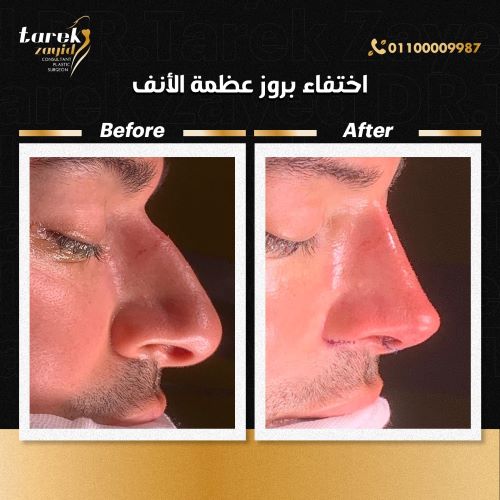
Septoplasty
Septoplasty, also known as nasal septum correction surgery, is performed to straighten the septum and improve airflow.
It involves removing or straightening any crooked or deviated portions of the septum. This procedure can be combined with cosmetic nasal surgery if the external shape of the nose needs to be changed.
The Importance of Septoplasty
Septoplasty can provide several benefits, including:
• Improving breathing: Being able to breathe freely through the nose is important for maintaining respiratory health.
• Reducing sinus infections: Improving sinus drainage may help reduce mucus buildup.
• Reducing snoring: The procedure can help reduce or eliminate snoring and sleep disturbances related to a deviated septum.
• Improving quality of life: Relieving symptoms such as recurrent headaches and difficulty breathing may improve the patient’s daily life.
Results of Septoplasty
The results of septoplasty are usually highly satisfactory, with many patients experiencing a noticeable improvement in their breathing and quality of life.
Positive results may include:
• Better breathing: Patients are often able to breathe more easily through the nose after surgery.
• Fewer sinus infections: The frequency and severity of sinus infections may decrease.
• Better sleep: Improved nasal breathing may help patients sleep more comfortably, resulting in increased energy and better general health.
Risks of Septoplasty
Although septoplasty is generally considered safe, there are some possible risks that should be taken into consideration, including:
• Bleeding or infection: As with any surgical procedure, bleeding may occur during or after the procedure, and there is also a risk of infection.
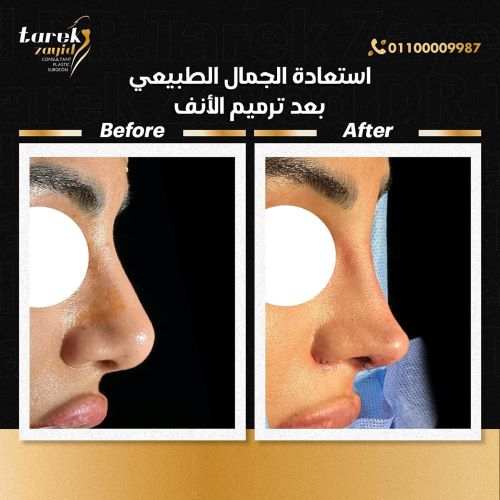
• Changes in the shape of the nose: In some cases, septoplasty may cause an unwanted change in the external appearance of the nose.
• Septal perforation: A hole may develop in the nasal septum as a complication of the procedure.
What Is the Success Rate of Septoplasty?
Septoplasty is successful in most cases, with reported success rates ranging from 85% to 90%.
Most patients experience a significant improvement in breathing and a reduction in symptoms after surgery.
Cost of Septoplasty
The cost of septoplasty varies depending on several factors, including:
• The experience of the surgeon performing the procedure.
• The complexity of the condition and whether cosmetic procedures are needed after correcting the deviation.
• The quality of the hospital and the level of service provided.
• Preoperative tests and postoperative care.
Patients should consult their doctor to assess their condition and determine the exact cost of the procedure.
Conclusion
Septoplasty is an important surgical procedure that can improve breathing and relieve symptoms associated with a deviated nasal septum.
With advances in medical techniques, the procedure has become safer and more effective, giving patients the opportunity to significantly improve their quality of life.
Although some risks are possible, the high success rate makes septoplasty a suitable option for people suffering from symptoms caused by a deviated nasal septum.