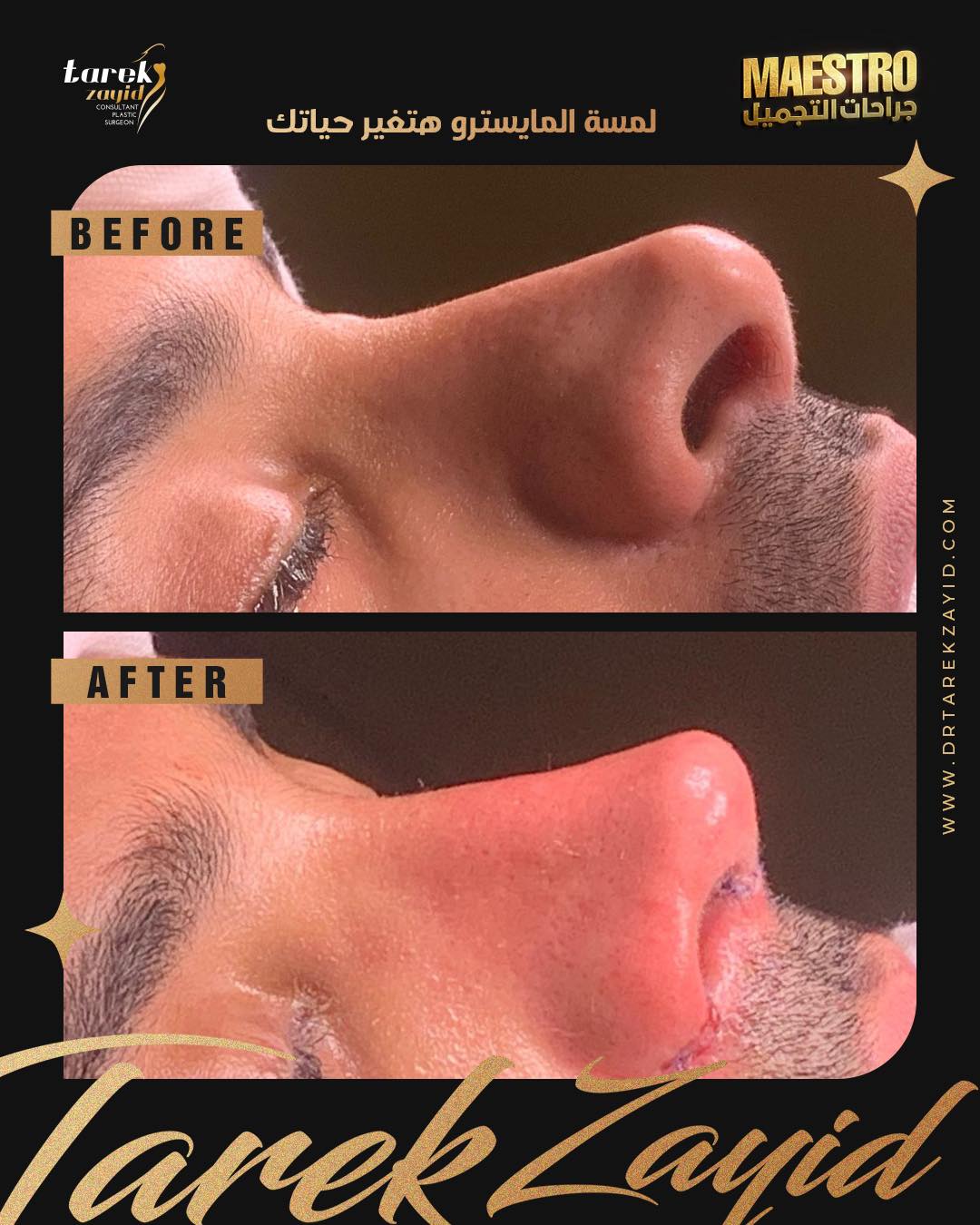
Cost of Nose Reduction Surgery
Nose reduction surgery has become one of the most common cosmetic procedures in Egypt, with satisfying results for many patients. The cost varies depending on the surgeon, the techniques used, and the hospital. However, the most important goal is achieving a nose that is balanced and harmonious with your facial features.
Share this page:

 Whatsup
The cost of nose reduction surgery in Egypt is one of the most frequently asked questions regarding cosmetic procedures. In this article, we will discuss the cost of nose reduction surgery, how to determine whether the procedure is truly necessary, how to avoid potential complications, and the preparation steps before surgery.
Does the Patient Really Need Nose Reduction Surgery?
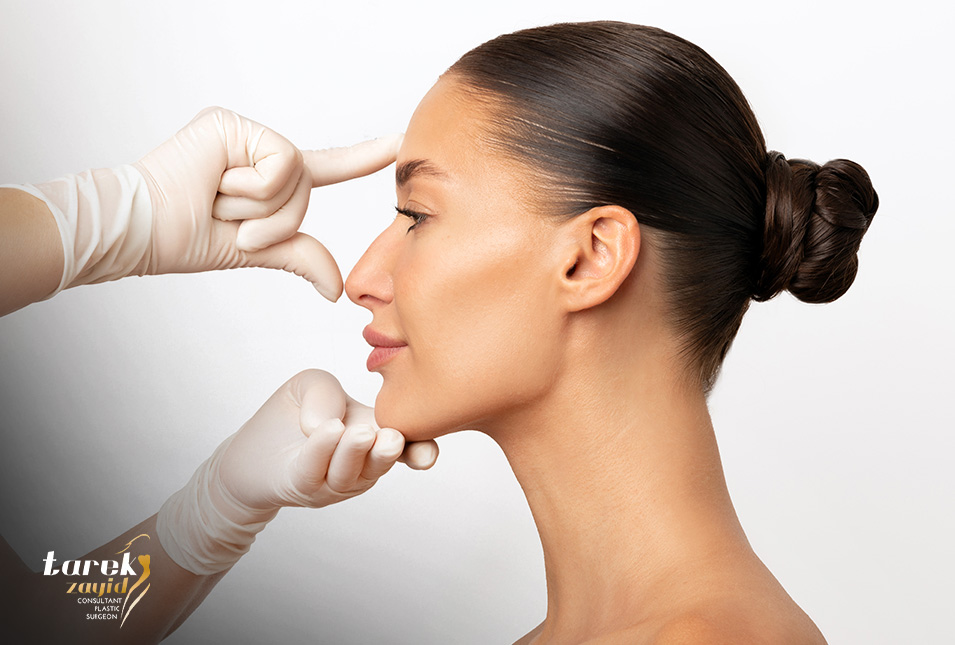
The surgeon performs a comprehensive evaluation of the patient's facial features to determine whether the facial proportions are balanced.
In some cases, the surgeon may find that the patient has a small chin, which makes the nose appear larger than it actually is. In such situations, chin augmentation may be more appropriate than nose reduction surgery.
Preparing for Nose Reduction Surgery
Before performing nose reduction surgery, the surgeon discusses the patient's expectations, goals, and reasons for seeking the procedure. This helps align the patient's wishes with achieving natural facial harmony and maintaining overall facial balance.
The consultation also helps determine whether the desired changes can realistically be achieved.
During this consultation, the surgeon evaluates the patient's overall health to ensure they are fit for surgery. The assessment includes:
• Medical History
The surgeon will ask about the patient's medical history, including any previous nasal obstruction, prior nasal surgeries, or bleeding disorders such as hemophilia. Patients with certain bleeding disorders may not be suitable candidates for nose reduction surgery.
• Physical Examination
A thorough physical examination is performed, including blood tests and an assessment of factors that may affect the final outcome, such as skin thickness and cartilage strength.
• Photography
The surgeon takes photographs of the nose from multiple angles and discusses the specific areas the patient wishes to change. These images can also help the patient visualize potential results after surgery.
Possible Side Effects of Nose Reduction Surgery
Although nose reduction surgery is considered a common procedure and continues to benefit from advances in surgical techniques, certain complications may still occur, including:
• Breathing difficulties.
• Permanent scars or visible marks.
• Persistent numbness in the nose.
• Nosebleeds.
• Damage to blood vessels within the nose.
These complications are relatively uncommon and may vary in severity from one patient to another.
However, it is important to discuss all potential risks with the surgeon and understand how any complications would be managed if they occur.
Cost of Nose Reduction Surgery in Egypt
The cost of nose reduction surgery in Egypt varies from one patient to another depending on the complexity of the procedure and the surgical techniques used.
The cost may also differ according to the surgeon's experience and the hospital where the procedure is performed.
For this reason, it is important to discuss the total cost of nose reduction surgery with your surgeon before making a decision. Patients should also consider the quality of care, safety standards, sterilization protocols, and overall value provided rather than focusing solely on the price.
What Are the Methods of Nose Reduction in Egypt?
Many people attempt to reduce the size of their nose using different methods, including:
• Cosmetic Makeup: Makeup techniques can be used to contour the nose and create the appearance of a smaller nose.
• Nose Exercises: Nose exercises are generally not effective. The nose is primarily made of cartilage covered by a thin layer of skin. Unlike muscles, cartilage cannot be reshaped through exercise, regardless of how often the movements are repeated. Therefore, nose exercises cannot reduce the size of the nose.
• Non-Surgical Nose Reduction
Several non-surgical methods are available, although they do not provide permanent results. These options are also limited because they cannot reduce the internal bone or cartilage structures of the nose.
o Nose Fillers
Dermal fillers are widely used in cosmetic procedures and work by adding volume to the treated area.
Nose filler treatments may be a suitable option for patients with minor imperfections, such as small humps on the nasal bridge or mild asymmetry.
Filler injections require a high level of expertise because of the nose's close relationship to the eye area and surrounding blood vessels.
It is important to remember that fillers add volume rather than remove it. As a result, they generally make the nose larger rather than smaller and may not be suitable for patients seeking true nose reduction. However, fillers can sometimes create the illusion of a smaller nose by narrowing the nostrils, lifting the nasal tip, and improving nasal proportions.
o Laser Nose Reduction
Laser technology has many applications in medicine and cosmetic surgery. However, lasers are generally not used for nose reduction procedures. One exception is rhinophyma, a chronic condition that causes enlargement and redness of the nose. In such cases, laser treatment may be beneficial.
For traditional nose reduction surgery, lasers are not typically used. Instead, Dr. Tarek Zayid may utilize piezo technology during rhinoplasty procedures, which can help reduce swelling and bruising while supporting a faster recovery compared with traditional techniques.
• Surgical Nose Reduction
Surgical rhinoplasty remains the most effective method for reducing the size of the nose. It is a popular option for patients who wish to permanently reduce the appearance of a large or wide nose and achieve better facial balance.
Surgical rhinoplasty can correct wide or flat noses, large or prominent nostrils, and excessive nasal bone or cartilage size.
The procedure is performed by removing excess cartilage and narrowing the nostrils to achieve the desired outcome.
Steps of Nose Reduction Surgery
Nose reduction is performed through rhinoplasty using the following steps:
1. The patient is placed under general anesthesia, and the areas to be modified are carefully marked.
2. Surgical incisions are made according to the patient's goals. Open rhinoplasty can be performed through an external incision between and inside the nostrils, which allows lifting the skin upwards, providing a clearer view of the internal nasal anatomy. Closed rhinoplasty can also be performed through a small incision inside the nostrils, leaving no visible external scar.
3. The nose is then reduced and reshaped according to the patient's individual needs. This may involve:
• Removing portions of nasal tip cartilage and using sutures to refine a large or bulbous nasal tip.
• Removing tissue at the base of the nostrils to narrow wide nostrils.
• Reducing the width of the nostril base by removing small portions of tissue where the nostril meets the cheek.
4. The incisions are carefully closed using advanced surgical techniques to achieve a natural appearance with minimal visible scarring.
5. A nasal splint and, when necessary, cotton nasal packing are then applied.
Before Nose Reduction Surgery
• Before undergoing nose reduction surgery, patients should have a clear understanding of what can realistically be achieved, as the nose has a major influence on overall facial appearance.
• Smoking should be stopped for 4 to 6 weeks before surgery.
• Patients should fast for several hours before the procedure according to their surgeon's instructions.
• Blood-thinning medications, including aspirin and anti-inflammatory drugs, should be discontinued before surgery to reduce the risk of bleeding.
Important Tips After Nose Reduction Surgery
• Avoid smoking for at least one month after surgery.
• Avoid activities that increase blood flow to the face, such as bending forward, lifting heavy objects, and strenuous exercise.
• Avoid taking hot showers.
• Avoid excessive facial expressions such as laughing or smiling.
• Avoid excessive exposure to sunlight.
• Avoid sleeping on the nose or placing pressure on it.