Causes of a Nasal Hump and How It Can Be Treated
Home Patient Guide Causes of a Nasal Hump and How It Can Be Treated
Causes of a Nasal Hump and How It Can Be Treated
A nasal hump can affect the overall appearance of the face and may develop because of genetics, birth injuries, or trauma. Treatment options include rhinoplasty or laser-assisted nose reshaping, depending on the patient's condition.
Share this page:

 Whatsup
The nose plays an important role in both breathing and facial appearance. It helps filter, warm, and humidify the air before it reaches the lungs, while its central position makes it one of the most noticeable facial features. Even a small change in the shape of the nose can have a noticeable effect on the overall appearance of the face.
One of the most common nasal concerns is a prominent nasal hump. Many people wonder why this condition develops and how it can be corrected. In this article, we explain the most common causes of a nasal hump and the available treatment options.
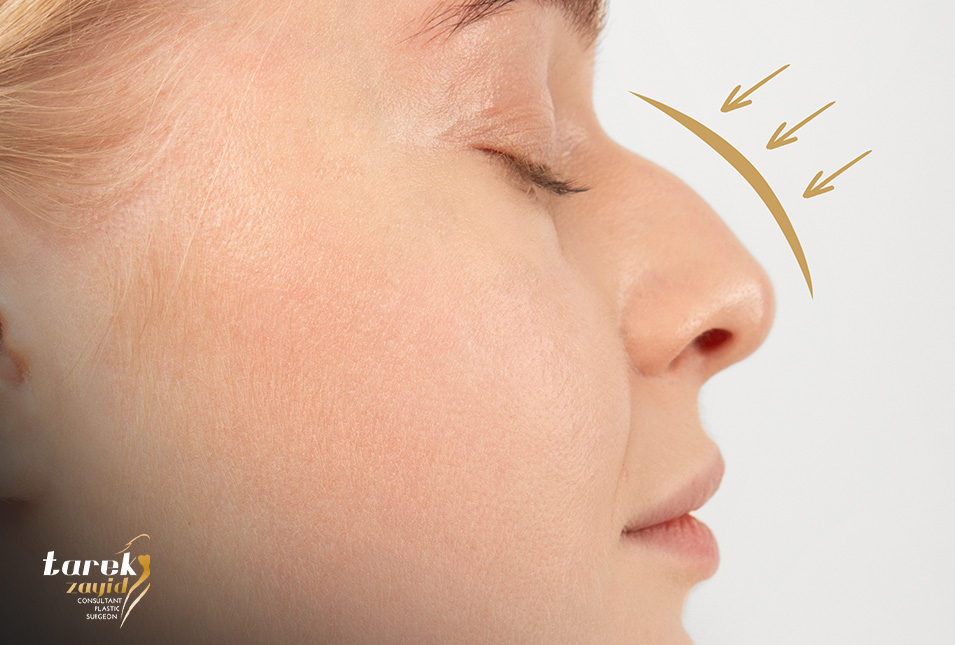
Some people have a noticeable prominence along the bridge of the nose that is especially visible from the side. This can affect the overall appearance of the nose and face and may also have a psychological impact on some individuals. The nose is formed by two nasal bones that together create the nasal bridge. In some people, these bones are naturally more prominent than usual.
What Causes a Nasal Hump?
Several factors may contribute to the development of a nasal hump, including:
1. Genetics: Hereditary factors are among the most common causes. If one of the parents has a prominent nasal hump, the likelihood of the condition appearing in their children may increase.
2. Birth Injury: A nasal hump may develop if the baby experiences accidental trauma to the nose during delivery.
3. Nasal Injury or Fracture: This condition is commonly seen in athletes involved in contact sports such as boxing, where repeated nasal injuries may lead to fractures and changes in the shape of the nasal bones.
4. Trauma Following an Accident: Accidents, such as motor vehicle collisions, may cause fractures of the nasal bones, leading to a prominent or crooked nasal bridge.
What Is the Best Treatment for a Nasal Hump?
There are two main approaches for correcting a nasal hump: conventional rhinoplasty and laser-assisted rhinoplasty.
Conventional Rhinoplasty
A nasal hump can be corrected through rhinoplasty by making a small surgical incision beneath the nose. During the procedure, the surgeon reshapes the prominent portion of the nasal bones and removes or reshapes part of the nasal cartilage to create a smoother nasal profile.
Some temporary side effects, such as redness, swelling, and bruising, may occur after surgery. These usually improve during the recovery period. Patients should carefully follow their surgeon's instructions, avoid strenuous physical activity, and keep the surgical area clean to reduce the risk of infection.
Laser-Assisted Rhinoplasty
The goal of laser-assisted rhinoplasty is to improve the appearance and proportions of the nose while minimizing discomfort and reducing recovery time. During the procedure, laser technology is used to assist in reshaping the nasal cartilage and modifying the nasal bones to reduce the prominence of the hump. The surgeon carefully reshapes the cartilage to achieve a smoother and more balanced nasal contour.
Advantages of Laser-Assisted Rhinoplasty
1. The procedure is generally simpler and faster than conventional rhinoplasty.
2. It is usually performed under local anesthesia.
3. It is associated with less pain and minimal bleeding.
4. It provides precise and effective results.
5. Recovery is generally faster than with conventional rhinoplasty.
6. The shorter recovery period allows patients to return to their normal activities sooner.
Important Instructions After Nasal Hump Correction
To reduce the risk of complications after rhinoplasty, patients should follow these recommendations:
1. Get plenty of rest and avoid strenuous physical activity.
2. Avoid lifting heavy objects to reduce the risk of bleeding.
3. Avoid hot water and bending forward during the early recovery period, as these may increase the risk of bleeding.
Once the recovery period is complete, the final results become more noticeable, and the nose appears smoother, more balanced, and less prominent.
If you would like to learn more about rhinoplasty procedures, you can explore Dr. Tarek Zayid's patient success stories and see the results achieved.