Conditions That May Require Rhinoplasty
Rhinoplasty is not limited to reducing the size of the nose. It can also be performed to correct a variety of functional and structural problems. Choosing an experienced surgeon helps minimize risks and improve the chances of a successful outcome.
Share this page:

 Whatsup
Many people believe that rhinoplasty is performed only to make the nose smaller. However, there are many conditions and concerns that may require rhinoplasty.
In this article, we will discuss the problems that may require rhinoplasty, the different types of rhinoplasty procedures, and the potential risks associated with nose surgery.
What Is Rhinoplasty?
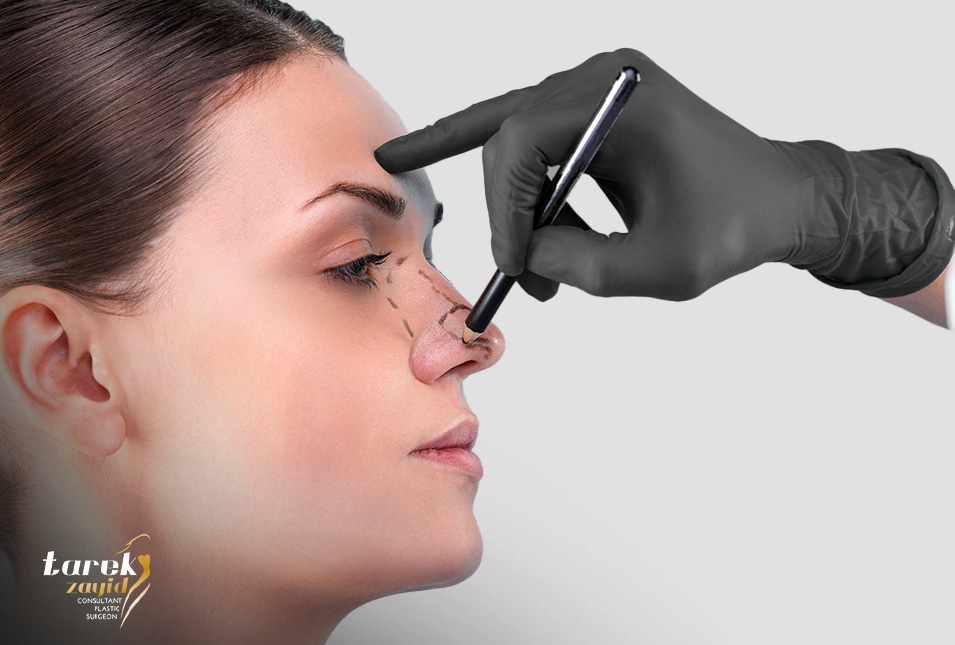
Rhinoplasty is a surgical procedure designed to reshape the structure of the nose.
The goal may be cosmetic, to improve the harmony between the nose and other facial features, or functional, to correct a medical condition affecting the nose.
What Are the Types of Rhinoplasty?
As mentioned earlier, there are two main categories of rhinoplasty:
• Cosmetic rhinoplasty.
• Functional rhinoplasty.
Under these categories, several different procedures may be performed to improve the appearance of the nose or treat medical problems, including:
Nose Reduction Surgery
This procedure focuses on reducing specific parts of the nose, including: the nasal tip, the nasal bridge, and the width of the nose.
Nose Augmentation Surgery
In many cases, nose augmentation is performed for reconstructive or functional reasons, such as treating nasal obstruction, correcting a deformity, addressing incomplete nasal development, or rebuilding part of the nose after disease or surgical removal.
Ethnic Rhinoplasty
Patients from Mediterranean and Middle Eastern backgrounds sometimes seek rhinoplasty to modify certain nasal features while maintaining harmony with their ethnic characteristics.
Post-Traumatic Rhinoplasty
When an accident causes damage to the nasal bones or cartilage, reconstructive rhinoplasty may be required within a week or ten days after the accident.
Are There Risks Associated with Rhinoplasty?
When rhinoplasty is performed for cosmetic purposes rather than to treat a medical condition, it is considered a personal choice.
For this reason, patients seeking cosmetic rhinoplasty should carefully consider both the benefits and the potential risks before making a decision.
When rhinoplasty is performed to correct a medical problem, it is important to choose a surgeon with extensive experience and a strong professional reputation to help minimize surgical risks.
In all cases, patients should weigh the expected benefits of rhinoplasty against the possible complications.
Potential risks of rhinoplasty may include:
• An unexpected allergic reaction to medications used during anesthesia.
• Breathing difficulties after surgery.
• Rejection of grafted tissue when tissue grafts are used during nasal reconstruction.
• Swelling that may persist for an extended period after surgery, sometimes up to a year.
• Changes in the color of the nasal skin.
• Significant bleeding during or after surgery.
• Permanent numbness in or around the nose.
• Permanent scarring.
• Dissatisfaction with the final appearance of the nose and the need for revision surgery to achieve the desired result.
For this reason, it is important to emphasize that many of the risks associated with rhinoplasty can be reduced by choosing a qualified surgeon who is known for experience, integrity, and ongoing training in the latest rhinoplasty techniques.